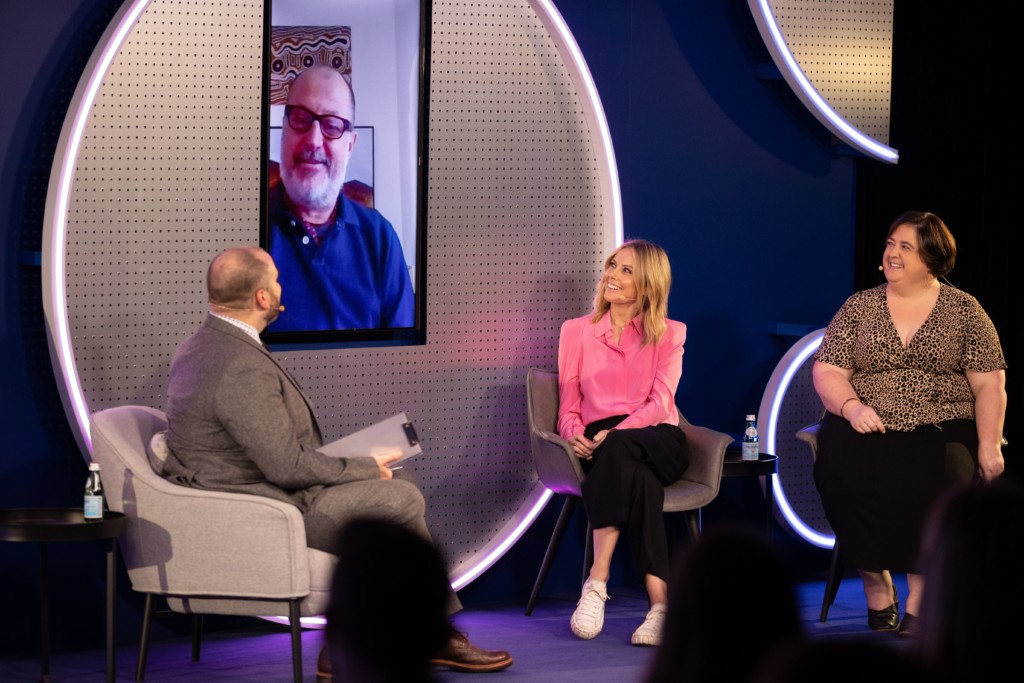
The Big Ideas Store finished a stellar two weeks with a battle royal Great Debate with some of adland’s biggest names facing off.
At stake was a combination of professional reputations and pride mixed in with a doze of codral (for at least one of the speakers) as the two sides went head to head.
The debate question: can great advertising can open our eyes to new products, new categories and new ways of living. But does advertising really hold sway over our culture, or is it cynically raiding the zeitgeist and exploiting the human experience for commercial ends.
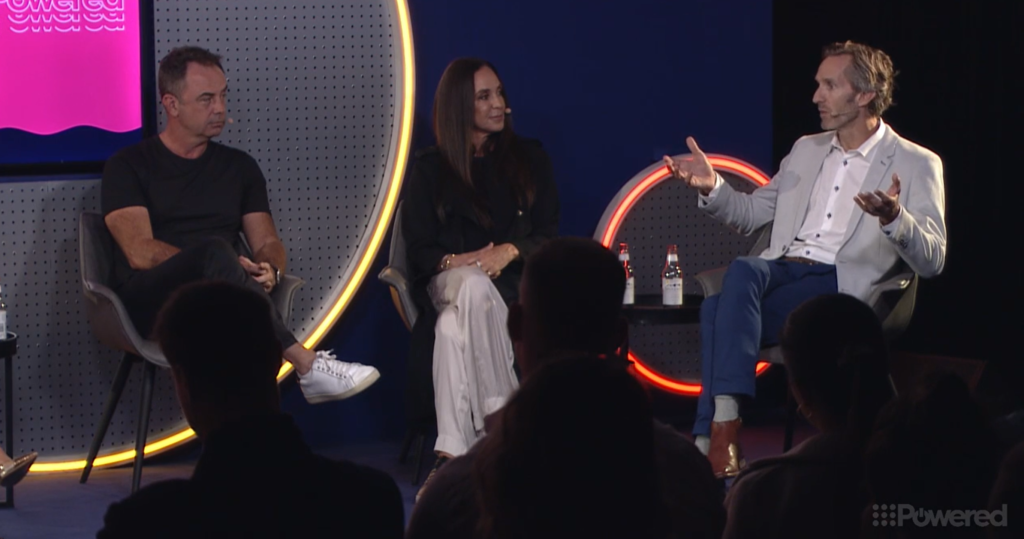
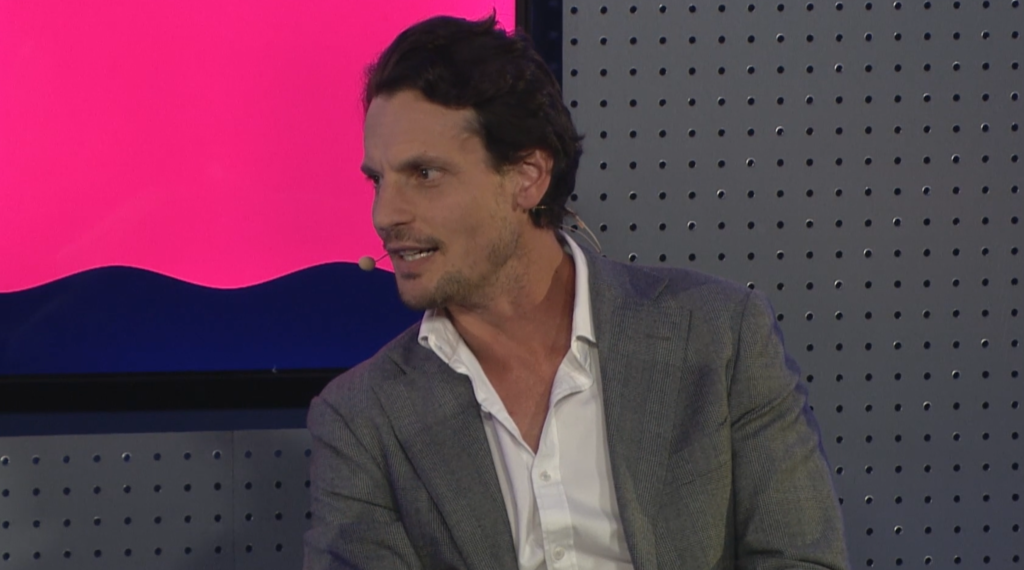
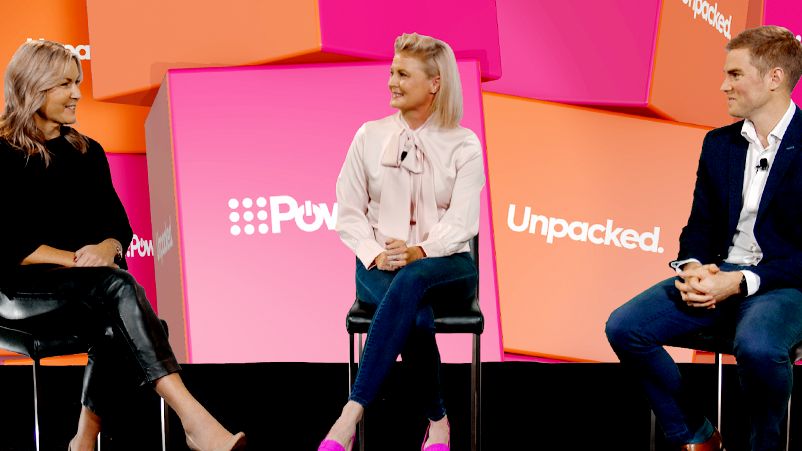
Adjudicator • Tim Burrowes, Editor-at-Large, Mumbrella The affirmative • Rachel Fraser, Head of Strategy, M+C Saatchi • Roshni Hegerman, Chief Strategy Officer, McCann • Toby Boon, Director of Strategy, Insights & Effectiveness, Nine
The negative • Andrew Wynne, CEO, Joy • Michele O’Neill, Director, Powered Enterprise • Camille Gray, Strategist, Rufus
When it comes to Australian advertisers taking risks and placing big creative bets, Chief Creative Officer of Howatson+White, Ant White, says it shouldn’t even be a question. In the attention economy, brands now have a maximum 30 seconds to a minute to make an impact on audiences and cannot afford to play it safe.
Speaking on a panel at The Big Ideas Store session, Placing Big Creative Bets, White said: “I have a real issue with the title of this session because I don’t think it’s a gamble – we have to be distinctive and we have to stand out, because so many don’t.”
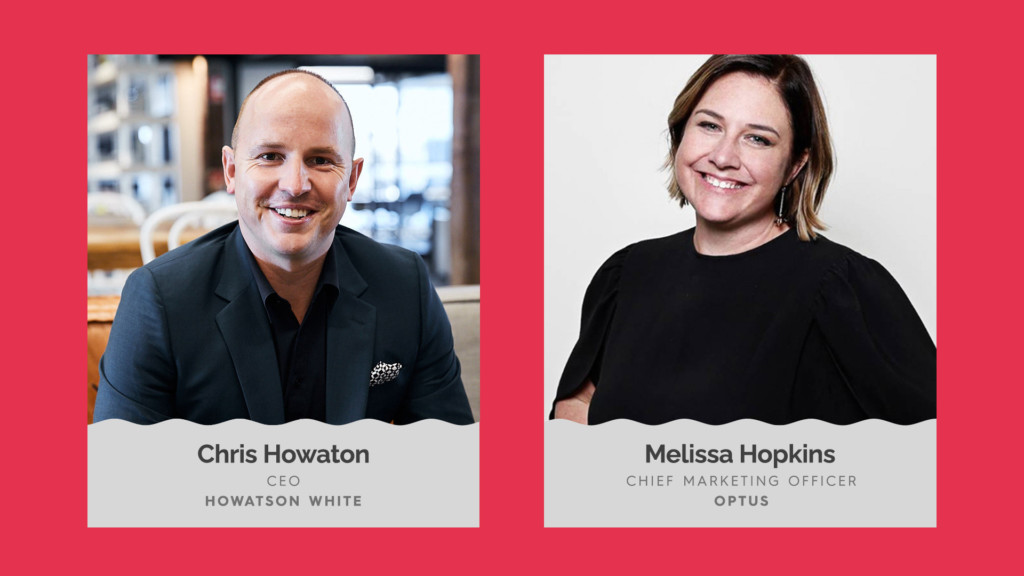
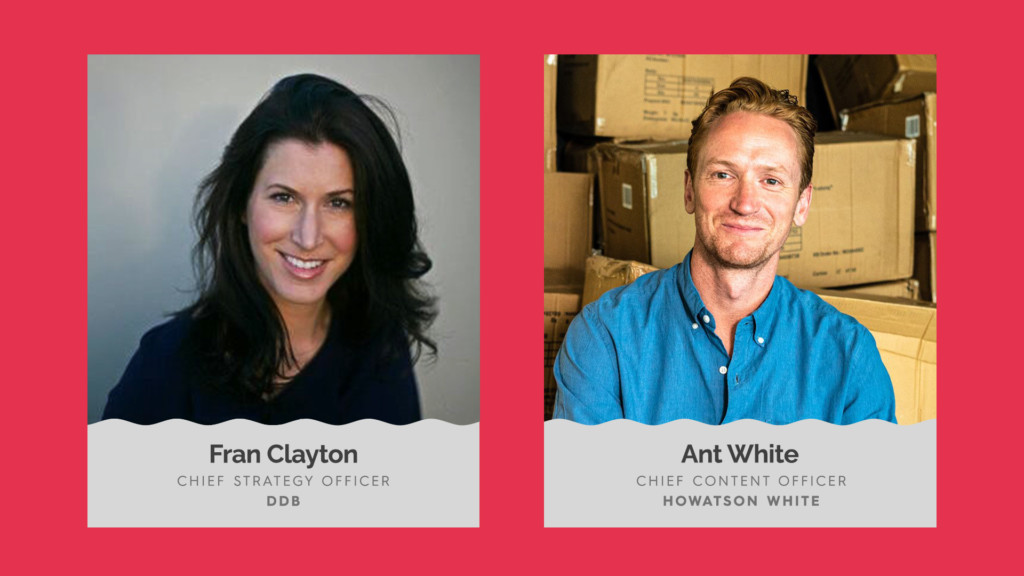
The panel, made up of White, DDB Chief Strategy Officer Fran Clayton, Howatson+White CEO Chris Howatson, and Optus Chief Marketing Officer Melissa Hopkins, lamented the lack of originality in Australian advertising over the past 18 months, agreeing “everyone did a COVID ad”.
Mel Hopkins said: “The role of any brand is to be distinctive, to stand out, and to have a different reason or purpose for being. So I found it quite depressing – particularly last year, both Australia and globally – to see this sea of sameness in advertising, when you could pretty much whack any brand off the back of it. That to me is lazy marketing.
“Building distinctiveness is probably the toughest thing you could do, but it’s what builds brands. Ultimately, what I see as the role of marketers is to create tomorrow’s cash – you’ve got to do that by being distinctive.”
Reflecting on the trends on the rise in advertising at the moment, Chris Howatson said advertisers and marketers are playing with context a lot more, and finding the environments.
“Forever we’ve been buying media at the point of diminishing return, and that naturally spreads you across lots of different places rather than just focusing on the most impactful message you can give in the moment when it matters. A lot of clients are now saying, ‘I don’t just want to do one plus 55, or three plus 55 – let’s do a three-minute ad and put it in a place where everyone’s going to see it. Let’s create some fame’.”
Howatson pointed out, however, that being distinctive is not just about following the latest trends – it is much more important to play to the strengths and identity of your brand.
“Context is playing a much bigger role, as is emotion, but we need to make sure we don’t just all start doing emotion, because then it’s not distinctive. What a lot of brands are looking at now is, if they’re a super-rational brand, then they’re doing rationality really well, and if it’s a brand that can play emotion then they’re leaning into that, and maybe doing it through comedy.”
By remaining true to the authenticity of your brand, Hopkins says there is a much greater opportunity to create “brand memories”, which stick with audiences long after the creative has ended.
“At Optus we’ve changed part of our measurement model, and instead of brand awareness or brand consideration we look at creating brand memories. That’s important because, to use a Telstra example, they spend three times as much as us on media and our results have just come back and said we create the same amount of brand memories. That goes to show you our work is more efficient and effective and impactful.”
Fran Clayton agreed, saying: “Emotion encodes memory, whatever your emotion is.”
Director of Powered and panel host, Liana Dubois, said the upcoming launch of Nine’s State of Originality – Australia’s richest creative prize – is the perfect opportunity for Australian brands to create brand memories and showcase their creative distinctiveness.
In order to create big advertising moments however, advertisers and marketers first need to sell their idea to brands, which can be more difficult than it seems.
Howatson says metrics and effectiveness are key to getting the decision makers on board.
“Working in agencies, you’re told creativity works and you believe it, but it’s really only been in the last five years that we’ve built the empirical evidence that stands up to a boardroom conversation.
“My positivity around creativity now stems from the fact that more than any other time in history, we’ve got the tools to sell the business critically around creativity into the C Suite. I’ve found when you have that conversation, it’s a lightbulb that goes off, and all of a sudden the reorientation is around those rules.”
White agreed, adding: “We need to give [brands] the tools, the data, the media plan to make sure it’s going to work. When you do that, it opens up their appetite to do more creative work because the shackles are off and there’s a confidence there.”
More information on Nine’s multi-million dollar challenge to marketers, State of Originality can be found here. Submit your entries at www.stateoforiginality.com.au.
Marketers are being told to prepare for the launch of a whole new category as momentum grows towards expanding the cannabis market in Australia.
Sam Geer, Managing Director of Initiative, led a discussion at a joint session for Initiative and Nine’s Big Idea Store, exploring what the growth of the cannabis market would mean in this country for brands in the sector and other related industries competing for consumers’ disposable income.
“Today we are talking about cannabis and the business of cannabis,” said Geer. “Professionally speaking [the marketing industry] needs to be thinking about this and we need to be understanding it. Globally, the legal cannabis market is $100 billion, there are 300 publicly listed companies, and in North America there are five times the number of employees in the cannabis market than the mining market – just think about that.
“Locally this is also happening. Australia is the fastest growing medical cannabis market in the world per capita and the fifth largest market globally. Queensland is ahead of the game. They have built the world’s largest cannabis greenhouse and Victoria is trying to one-up them with a new $130 million facility currently being built.”
Geer noted that 42 per cent of Australians already support legislation of cannabis but the path to legalisation would be complex.
Martin Lane, co-founder of local cannabis news website Cannabiz, said he unexpectedly found himself entering the space after seeing the market overseas and that the pathway for Australia was clear.
“I went to Advertising Week in the UK in 2017 and there was a whole stream dedicated [to the business of cannabis],” said Lane. “It’s important to prepare now, [for] when we become the US and the UK.
“There’s a path in terms of Australia. In the US it is legalised in 16 states, in the UK it is classified as a food, in Canada you have both medicinal and recreational. What will happen in Australia? It is now possible to buy CBD [cannabidiol] over the counter in pharmacies, but there isn’t currently a medicine available to be sold.
“We’re 12 to 18 months away from being able to go into Chemist Warehouse and buy CBD. When that happens and the price comes down, it will begin to compete in the complementary medicine stage. That gets you another couple of million, then you get to recreational, probably five years away in my opinion.”
Australian Financial Review reporter, Natasha Gillezeau, noted new research from IBISWorld which noted the local sector was still very much in “start-up” mode but would move swiftly from infancy.
“Where the business leaders are at is quite far away from where the consumer is,” said Gillezeau. “But the expectation is that revenue for the whole sector will go up 79 per cent year-on-year, so there is opportunity.”
Many marketers will be watching which existing brands seek to enter the space and capitalise on the growth, but Eric Thomson, Sydney-based Global Marketing Director Winemakers for drinks giant Pernod Ricard, warned that cultural acceptance was the key overhanging question.
“The cultural context is really important,” Thomson said. “Medicinal will be the first cab off the rank and 42 per cent of Australians favour legalisation. In Canada and the [United] States it was 80 to 90 per cent in favour before it was legalised. It stopped being a political discussion. Here it remains political.
“I struggle to think of a brand or a product or a category so consistently demonised in culture that has been turned around. Anywhere there is money, people will take the opportunity. The culture has started to shift from demonisation to business opportunity.”
Thomson said his brands were reluctant to become players.
“We had a lot of think-tanks and workshops to establish the impact we thought [cannabis] would have on the market. However, we haven’t really seen the material impacts in terms of overall consumption declines in the alcohol beverage sector, premium wine and spirits.“It’s very difficult to replace sharing a glass of wine over a meal. I don’t see cannabis ever being able to do that – and that’s why I’m confident that our category will continue to thrive alongside whatever [de]regulation happens.”
Lane noted that a key question would be how the cannabis market was sold from a brand perspective, and whether the industry could shrug off its “stoner” image.
“Another key question is what’s going to happen with the [marijuana] leaf? The leaf is the golden arches of the cannabis industry. There is a theory that is a bit throwback – the use of green colours, it’s all a bit stoner. So many cannabis companies start with the leaf and that disables them from putting the product in a wider cultural context.”
Real estate is a national obsession and owning your own home is regarded as the great Australian dream. But with a crippling stamp duty tax and a deposit that takes an average Sydney couple six-and-a-half years to save, a panel of experts argue that marketers need to recognise that Australians may not automatically pursue home ownership.
Speaking on a panel discussing the Changing Australian Dream at Nine’s Big Ideas Store, Dr Nicola Powell, Senior Research Analyst at Domain, Money News host Brooke Corte and Business Insider editor James Hennessy told the room that with Australians buying their first property at an older age than ever before, we need a complete overhaul of how we view property ownership.
James Hennessy, editor of Business Insider told the room that with younger generations struggling to gain a foothold on the property ladder, marketers, brands and in particular property developers must concentrate on making renting a more desirable lifestyle option.
“Younger Australians wanting to live close to the city can only often rent due to the incredible price of inner-city property,” he said. “Renters tend to be forgotten in the property conversation. If we are willing to accept that a higher proportion of Australians will be renting then there needs to be a lot more focus on giving them liberty to be able make a house their home – can they make mild alterations like hanging pictures up on the wall, and have a pet?
“If the Australian dream of owning property is out of reach for a growing section of the population and people will be renting permanently, let’s make that a lifestyle that works.”
Money News host Brooke Corte said the generational divide was becoming quite clear.
“Our whole income support system relies on this idea that by the time we get to retirement we own our own home, and I think that’s where the generational divide of home ownership and being able to get into the market is a big conversation we need to have,” said Corte.
“If the younger generations get into retirement without owning their own home there’s not a lot of support for them. And that’s why there’s a lot of concern about the fact that the fastest growing group of homelessness is in older females. There’s some serious cultural and societal issues we need to discuss.”
Dr Nicola Powell agrees. With Sydney house prices rising by $1145 a day for the first three months of 2021, getting onto the property ladder is now harder than ever.
“The average age for an Australian to purchase their first home is 35 and that’s tracked older and older in recent years. Look at the government’s super deposit scheme where there were 10,000 places for a low deposit of 5 per cent loan, and 10 per cent of people who took up the scheme were over 40.
“We need to think about affordability differently. It’s about the type of stock we are building, and it’s about that missing level of affordability. For example, 3D printing of homes uses 30 per cent less materials than traditional building and is much cheaper. It’s being used in the US to build villages to house homeless people, but it’s also used in European countries for tenants and producing affordable housing.”
But structural change in government policy is needed, said Corte.
“If we want to talk about what government can do to help first home buyers get into the market, we need to talk about stamp duty. That is the biggest roadblock. It’s a massive cost and it has stopped older people moving out of big homes into smaller ones, and it’s stopping people getting that extra amount of money to get into the market in the first place.
“Every time I see the government coming up with an incentive for first home buyers it’s something that stimulates demand, so everyone rushes into the market and property becomes more expensive. The only incentives that will work to make things more affordable are to increase supply, and there hasn’t been a lot of focus on that.”
As editor of Business Insider, which is read by an affluent young audience, James Hennessy said developers need to step up and listen to what people want in a development post-COVID.
“Young Australians want to own a home, but what has changed is their expectation. There’s no longer an inherent expectation within young people that one day they will own a home. There’s an understanding that it’s difficult to get onto the ladder, but COVID has changed that too. As many young people were working from home they’ve realised that, sitting in a rental that was their home, study, office and gym, they do want to spread their wings a bit and move into ownership.
“But that dream of owning a quarter-acre block has definitely shifted. There needs to be more of a conversation around what type of developments and housing we’re building. Are these being targeted at first home buyers, and is it what they want in housing?”
Dr Powell said one way of addressing the insecurity of renting is taking a long-term approach.
“Not only do we have to address affordability of purchasing property, but we also have to look at our rental market. We don’t have long-term leases here, the standard is 12 months. We need to have tenants who can make their rental their home. We can learn a lot of lessons from Europe, where they have long-term leases of five or even 10 years. It’s not for everyone but it’s about having options.”
And while it’s easy to think that housing affordability ends once you’re in the market, a combination of interest rate rises and people refinancing older in life may mean choppy waters lie ahead.
“As people buy houses later in life, when you get into your 50s if you go to refinance, the banks won’t be talking about 30-year loans,” said Corte. “As that timeline [of a loan] gets squeezed in, it becomes more expensive.
“In terms of preparing for what lies ahead, we have interest rates at a record low and I saw a figure the other day that said one million people currently in the property market have never experienced a rate rise. They’ve only experienced rate cuts. People need to start preparing themselves for rate rises.”
Amid an increasingly global focus on social and environmental responsibility, the head of transformation of one of Australia’s biggest brands has warned that it requires corporates to look at both their external and internal business priorities in order to achieve change.
Speaking on a panel, together with Kimberlee Wells, TBWA Melbourne CEO, Rupen Desai, Global CMO of Dole Packaged Foods and Sydney Morning Herald Editor, Lisa Davies, at Nine’s Big Ideas Store, Simon Lowden, Chief Transformation Officer at Arnott’s, said leaders need to break down the elements of sustainability and social responsibility and ensure they align with their business goals.
“Arnott’s is a brand which is 155 years old, its penetration is 90 per cent in Australian households, and it has an obligation,” Lowden told a packed room. “One of the biggest changes in the last 12 months has been marrying private and public agendas together.
“I was lucky enough to be part of the PepsiCo journey and I think, if we look back on that, we would have said we waited for legislation and we did enough to be friendly to regulation. We have to lead that, especially here, where, let’s face it, it’s not coming any time soon. So we have to recognise the obligation, whether it’s Dole Foods or Arnott’s. We have to be the voice of change and demonstrate that change.
“The biggest thing about transformation is to take a topic like sustainability – which is broad, ugly and hard to define – break it into bits, and make sure that agenda is your business agenda.”
Panel member Lisa Davies, Editor of The Sydney Morning Herald, noted that these issues were firmly on corporate Australia’s agenda, but it was being driven by a mixture of commercial prerogatives and internally through demands on corporates.
Davies said: “I definitely think the conversations (in the boardrooms) are well and truly underway. I would say that the opportunity for corporate Australia to do good is being driven by commercial imperatives, but also the needs of their consumers.
“One thing we also hear a lot of these days is that companies want to build the best possible teams. The best and brightest who are coming out of universities and business schools are living and breathing these issues, and they are not going to join a company that doesn’t have a clear strategy in this space.”
Rupen Desai CMO of Dole Packaged Foods, the largest producer of fruit and vegetables in the world, told the room that many businesses struggled with these questions and often focused too much on the reasons why they were making changes, rather than the tangible actions that need to be taken.
“There is a lot to be said for starting with the ‘why’, but I firmly believe we should start with the ‘how and the what’,” said Desai. “Start with what you sell, is it a product is it a service?
“For us at Dole it was that we sell the goodness of the earth, so you can actually eat our purpose. Then when you get into the how it’s less about do good or do well and more about doing well without causing harm (to the environment).”
CEO of TBWA Melbourne, Kimberley Wells, said corporates needed to be careful that they weren’t just paying lip service to their environmental and social responsibilities, and noted that many countries were struggling to meet the UN’s 17 sustainable development goals.
Wells argued that this would require an effort across both government and business: “It’s definitely more talk than action and that’s not just amongst the marketing community, it’s also amongst our political leaders. One of the challenges the goals have is that they are voluntary, and even at a government level they are self-reported. So we don’t have a clear measure about how businesses are holding themselves accountable.
“You only have to look at where the goals are – currently there would only be one or two countries around the world on track to achieve them.”
Wells said one of the big challenges was the short-termism of both CMO and CEO tenure, arguing that principles and practices need to be ingrained across all levels so that employees hold the business accountable.
“These are big systemic problems that need people to come together in order to solve them,” said Wells. “The big issue we also have is our CEO and CMO tenure. We have to make sure that the purpose is so clearly inked within the business that the stakeholder environment starts inside out. So even if you have changes at the top of the business, there is a staff body holding their leadership teams to account.”
The rapid take-up of remote working during the COVID-19 pandemic has fundamentally impacted the culture of creative workplaces and the way they operate on a day-to-day basis. Leaders, especially in places such as agencies and marketing firms, must learn to embrace a hybrid model of work and greater flexibility to thrive in the post-COVID age.
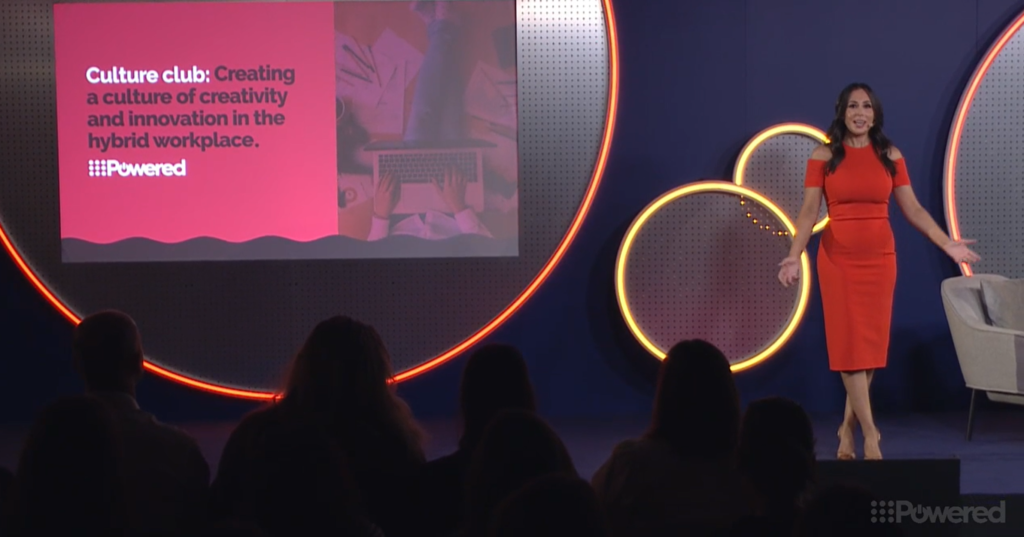
This was the central message from CEO of Culture Garden, Karl Treacher, CEO of Pedestrian Group, Matt Rowley, and Founder of Boost Juice, Janine Allis, at Nine’s Big Ideas Store panel on the subject of “Cultural Conversation: Creating a culture of creativity and innovation in the hybrid workplace”.
For an organisation that thrives on collaboration and “unfiltered creativity”, Rowley said the snap shift to remote working during lockdown and communicating solely online posed significant challenges.
“In the first 10 to 15 years of your working life you learn so much and really lay the foundations of the rest of your career. It’s very, very hard to learn soft skills from people you admire, and it’s very hard to build a network by Zoom. Being face-to-face is going to be very important.
“If you’re in the business of creating or selling ideas, which we all are, then you’re going to have an advantage of doing that face-to-face. It might be a few per cent – say 10 to 15 per cent – but imagine missing your targets by 10 to 15 per cent or more. That’s the difference.”
Karl Treacher explained to attendees that face-to-face interaction was a trait all workplaces with high performing cultures shared. This is a concept called “murmuring”, whereby people take in information and bond with those physically within five metres of them, and it’s critical to building a creative, collaborative culture and ultimately to selling ideas.
This does not mean, however, that leaders in agencies and marketing firms should reimpose the five-day working week from the office. It’s now about embracing flexibility and incorporating the lessons of COVID while continuing to innovate, create and move forward. For many creative organisations this is a hybrid model, where employees are in the office three to four days a week to collaborate and brainstorm, while still enjoying the flexibility and efficiency of working remotely for the other one or two days.
Reflecting on where creative organisations now sit in their journey towards this hybrid model, Rowley said: “It feels like we’re almost out the other end of it. We’ve got used to the blend we have, and it feels less of a big thing now. For us, we’re at least three-two, as in three days in, two days at home, or four-one, and that tends to be the norm. Then Tuesdays to Thursdays in the office, it’s humming.”
The panel agreed that there were still some employees reluctant to return to the office in order to not lose the “new wins” they feel they’ve achieved by working remotely.
Janine Allis said: “What people are finding, whether it’s cultural or not, is staff saying ‘I don’t want to go back to work, I like it at home.’ Well, you know sometimes that’s bad luck. There is a capability for how you need to work [in the office] as well.”
Allis says a balance needs to be found between working remotely and collaborating and generating ideas in the office, which creative businesses need to strike to thrive in the post-COVID world.
“Five years from now we’ll look back at this time and think wow – for Australia, I think there’ll be so many positives out of it. People are re-evaluating their lives, people are re-evaluating how they work, but I think the reality is that businesses still need to have people face-to-face.
“With Zoom, you get on and you don’t have any pre or post-discussions, you just get in there and say it. But it’s the walking to the kitchen where you have a conversation and have a great idea that’s all getting lost. So I think it’s the adjustment of how a culture comes back to a hybrid model.”
This can be difficult for leaders managing people who feel the return to the office one or more days a week means they can’t be trusted to work remotely. Matt Rowley says this is not the case.
“There are some people who say ‘Don’t you trust me?,’ and absolutely I do. Everyone worked their arses off during COVID, so I trust them to be more efficient and what people are calling productive. But I don’t necessarily think that’s going to make them more effective, especially over the longer term. I think you can cram more in and tick off more tasks, but I don’t think we can build a culture as well, or come up with and sell our ideas as well by working remotely like that.”
This is where strong leadership is important. Managers need to balance the needs and preferences of employees while making the decisions that are best for the business, however unpopular they may be.
“A lot of getting people back into the office is like exercise if you haven’t done it for a long time. No one wants to hit the gym the first time, but then you get into, it and before you know it you even get a little bit addicted to it. There are benefits that pay off,” said Rowley.
And while he acknowledged he is a “going back to work advocate”, Rowley admitted he also appreciates the benefits of the hybrid model, working from home himself on Mondays to ease back into the week and get task done that are harder to do in the office.
The panel offered advice for leaders on implementing the hybrid model in their own creative workplaces, saying cultural change cannot be effective unless it starts at the top and has the full commitment of the board, CEO and leadership team.
“Culture is this extremely complex concept, governed by simple rules. So getting very clear on what your culture is and communicating that through every instance and every interaction is critical,” Rowley added.
Two of Australia’s leading marketers have dismissed the commonly perceived tension between short-term results and brand building, arguing that the best businesses are able to do both simultaneously.
Speaking on a panel on effectiveness at Nine’s Big Ideas Store, Henry Turgoose, Marketing Director, Reckitt Health, and Phil Springall, Sales & Marketing Director – Retail, Karcher, told the packed room that the binary between brand and sales was too often distorted or oversimplified.
“I am coming up to 20 years with Karcher, which is a family business,” said Springall. “It is the responsibility of every team member to run the sprint, but also I want the company to be able to achieve the marathon. It requires a level of trust between the board and the marketing team in terms of what we are collectively trying to do.
“We have had conversations with the board about are we advertising enough in order to achieve the goals we want?”
Reckitt Health’s Turgoose agreed, saying: “People aren’t going to overthink what pain relief they buy, so we know as a business, and so do the board, that brands need to be front of mind. The shopper has come into the store and they are not going to overthink the purchase. We need them to come with all the neural connections already there so that when they think pain relief they think Neurofen.
“If we invest in creating that connection in people’s minds then we win that purchase, and the board understands that.
“I also have profit and loss responsibility, as part of my role, and ultimately so too do the board. We all have to deliver the bottom line, and that’s what everyone’s first objective is about – but it’s the conflict between the two. In a good year there’s not too much conflict, but in a difficult year there may be some tough decisions. But that’s held across the business, not just with me.”
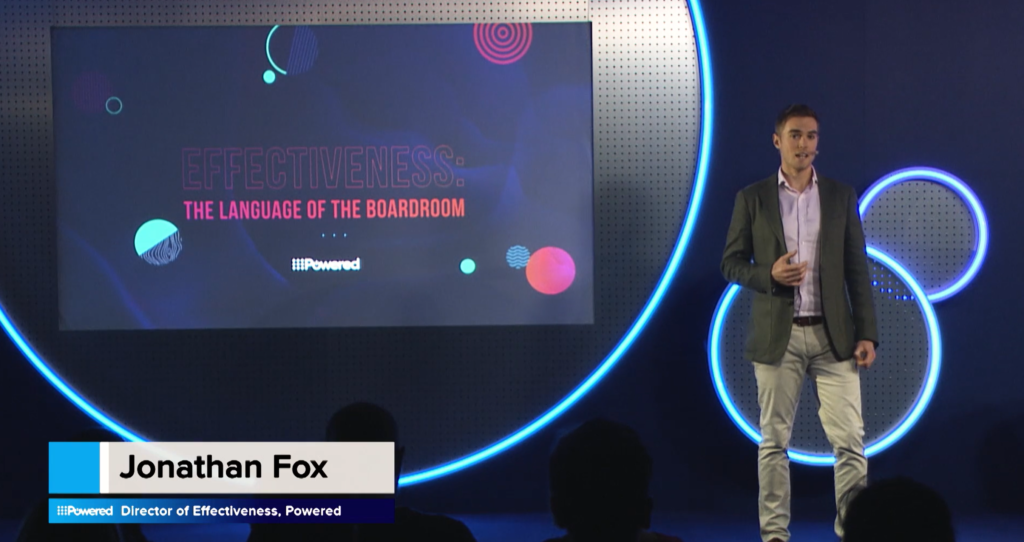
Fellow panel member Jonathan Fox, Nine’s Director of Effectiveness, said: “We often talk about this binary, but I think we have here two marketers who really have the finance team onboard.”
Fox added that in his view, achieving C-Suite and board buy-in on marketing was all about translating key marketing metrics into more tangible return on investment metrics.
“Econometrics gets a bad wrap and that’s because it can be explained in a very complicated way,” said Fox. “The simplest way is to cut the word in half: you have ‘econ’ and ‘metrics’, and it is using metrics to measure the impact on the economy. That same technique can be applied to sales, and typically you would need three years of weekly data to understand how movements in data can explain sales over time.
“It helps you explain things like the impact of price, promotion, distribution, weather, competitor activity and of course advertising, where we can draw out the incremental impact of that advertising. It allows you to determine the return on investment, which is the purest language of the CFO.”
Panel moderator Nicky Kenyon, Director of Nine’s client services division Powered, added: “At its simplest, it is why does marketing matter? Which is something a board absolutely would be asking of all marketers.”
Marketers have been warned that good branded content requires not just an idea or a good piece of content but also an understanding of the “magic” and craft that goes into making a highly effective piece of branded content.
Speaking to a packed room on a panel at Nine’s Big Ideas Store, Zara Curtis, IAG’s Director of Content, told the room that good branded content didn’t always come with a direct, tangible outcome that could be sold to the board or finance department.
“It’s a very brave client that goes into long-form content, because it’s not a process you control if you understand creativity and the process that goes into making it,” said Curtis. “It is full of risk. It doesn’t deliver an ROI that your CFO is going to sign off on, so a lot of things have to align before you can jump in.”
Nine’s Director of Powered, Liana Dubois, agreed and argued that brands need to think about the outcome they are after before they jump in.
“There are significantly more risks for advertisers investing in producing their own long-form content than benefits,” said Dubois. “But if done well and for the right reasons, by people who are experts in long-form content creation, it can give you a compelling platform to tell an amazing brand story, as long as it makes you feel something, be it that you laugh or cry.
“That brand story can then be converted into short form and amplified across a digital ecosystem, paid, owned, earned, etcetera, and it can probably also give you a little fodder for public relations.”
Hamish Turner, Nine’s Program Director, said there were lessons for brands in learning from professional content creators before they embark on the journey of creating content.
“When we commission a show there are three things we think about: Who is the audience? What is right for our brand, in that the stuff that works for Channel Nine doesn’t necessarily work for Seven or Ten? And who are the content creators? We’re lucky in working with the best content creators in the business.
“So for us, with branded content, it comes down to will this content engage and excite our audience? Does it fit our brand? Does it fit our platform? And do we have the best people making it?”.
Amid an industry revival in branded content, the moderator, Powered’s Sarah Stewart, asked the panel what they thought was driving the push.
Dubois replied: “There seems to be, in some pockets of the industry, a concern that in making traditional advertising – a great 30-second spot for TV or radio, a great ad for print or premium digital – somehow the effectiveness of that advertising is on the decline. That is not the case.
“The other thing happening is that there are pieces of content that have been produced which do have a brand at their core, or have had a significant role in changing culture, that brands are trying to lean into,” she said, citing the success of shows like The Queen’s Gambit, The Last Dance, or locally, LEGO Masters.
“Every brand wants that, but for most of them it isn’t possible.”
Nine’s Turner responded: “Also, most of them weren’t created with the brand in mind – they were created for an audience.
“The best brand-funded content is the one where you don’t even notice the brand. It is seamlessly integrated and just goes on the journey with the brand you are trying to sell.”
Curtis agreed, arguing that marketers need to work with professional content makers who understand the craft that comes with long-form content.
“Consumers do smell a rat (when you are trying to sell),” she said. “You have to look at your brand tone and brand essence, and then it’s over to the (content creators) to align our brand with the right show and the right message. That’s where the craft comes and the magic, and I don’t think it’s always obvious.”
Marketers are far more likely to get support for big brand investment if they can prove their strategy delivers both short and the long-term results, says Suncorp CMO Mim Haysom. That requires a clear strategy, collaborative partners and robust effectiveness metrics. Haysom says Suncorp’s sponsorship of The Block ticks all those boxes – convincing key stakeholders that bold ideas unlock big growth. Here she unpacks the key building blocks.
Tying marketing investment to business outcomes is the Holy Grail for most marketers: it’s key to winning stakeholder trust and getting business cases over the line, says Suncorp Group CMO, Mim Haysom.
Marketers must deliver both the long and short-term gains, she says – and be able to prove their strategy is driving meaningful results in terms that businesses understand: Did it move the needle, how and where – as well as being able to dive into the minutiae.
“We've put a lot of work in the last three years into improving the sophistication of our effectiveness metrics,” says Haysom.
“We've built really robust frameworks to help us set and evaluate both long-term metrics, like brand equity and brand health metrics. Also, short-term metrics around business results and of course, media ROI,” she adds.
“If you've got a really clear set of metrics and you can measure them, communicate them to stakeholders and do so with some science and credibility behind it, then you get the confidence from your stakeholders.”
Put those elements in place and communicate them, she says, and business leaders are more likely to align with the plan.
“They've got confidence that you can deliver on it – and I think that goes a long way to building a really successful partnership,” says Haysom.
Hence the imperative for brands to work with credible measurement and delivery partners, says Jonathan Fox, Director of Effectiveness at Nine’s Powered unit.
“We have a number of different measurement options at Nine, and we pick the best one or the best combination, depending on what we're trying to measure,” he explains.
“For immediate measurement, we would partner with the likes of Agile Media – as we did with Suncorp – or TVSquared, to understand the immediate response on website or app downloads.”
Meanwhile brand health studies conducted with the likes of Gemba and Kantar deliver a clearer picture of longer-term impacts.
Beyond that: “If we want a really deep partnership with our clients and our sponsors, then we also have the expertise to build econometric models to really understand the incremental impact and measure the return on investment,” says Fox.
“Effectiveness is a team sport. So the more expertise we can bring together, the more we learn.”
However, Fox underlines that picking best of breed partners is key – and Haysom agrees.
“Those effectiveness and insights partners are critical to our planning process and integral to that planning process. It inputs into budget setting, channel selection, partner selection, all the way through to measurement and reporting – which then cycles back into the planning cycle again,” she says.
While marketers are “spoilt for choice” in terms of the number of data and analytics providers now in market, “you need to be very clear on your strategy,” she says, “because what you don’t want is duplication.”
Marketers need to pick out the signal from the noise – and avoid data overload, adds Haysom.
“So you need to get the shape of those partnerships right, and you do that through understanding what you want out of each of those partners and then leaning into it and supporting it the right way.”
Collaborate, share KPIs
Collaboration is key to greater effectiveness, says Haysom, with success born out of best of breed working relationships.
“We're coming into our fourth year of [sponsoring] The Block. But every year we learn something new – whether it's about how to better integrate the creative, whether it's ways of working or whether it's how to drive business results. But it all starts at the beginning of the process with collaboration,” she explains.
“We build cross-functional teams and bring together really diverse skillsets from all of our partners. That's my team, all of the brand teams and centers of excellence in at Suncorp, it’s OMD, it’s our creative agency and it’s the team at Nine.”
Before any campaign work starts, the key is to nail business strategy, says Haysom.
“Then we set really clear KPIs and objectives – and it’s not just me who is on the hook for it, we all are. So we share those KPIs and that accountability.”
Collaboration continues all the way through to execution and post-campaign wash-up, says Haysom.
“After the set-up session around what are our objectives, we always run a hack with the Powered team. So we're ideating collaboratively, getting to the creative together with all of those stakeholders in the room.
“Then once we've nailed the campaign and we're in market, we have weekly optimisation meetings with all of those people on a call, making sure that the creative and the content is landing the way we want it to and delivering the results that we expected to right from week one,” she says.
“So for us, the two things that work hardest are collaboration and having really clear KPIs that we're all accountable for.”
Building brands, hitting targets
While Suncorp’s brand is reaping the rewards of its multiyear sponsorship of The Block, it’s also driving significant short-term performance gains.
“Year-on-year, we've seen a really strong return on investment. But in terms of short-term metrics, last year we saw new website visitors increase by 31 per cent and total website visits increase 11 per cent,” says Haysom.
“We also saw quite a significant increase in new account openings – one of our priorities – over the period and the duration of The Block partnership while it was on air.”
This year, the brand hopes to unlock continued growth through the sponsorship, now in year four. Nine’s study of 120 sponsorships across its properties, conducted by Gemba, suggests that faith is well placed.
Gemba’s key finding, says Jonathan Fox, was that longevity pays dividends.
“The longer the sponsorship, the deeper that connection is between the brand and the show,” says Fox
“And you can start to leverage that for things like product launches if you're getting into that fourth, fifth, sixth year of sponsorship.”
Contact us for more information on how your brand can leverage the power of Nine to deliver real business outcomes.
Across multiple generations of Australians, COVID-19 has redefined consumer expectations of the brands they deal with, new research shows.
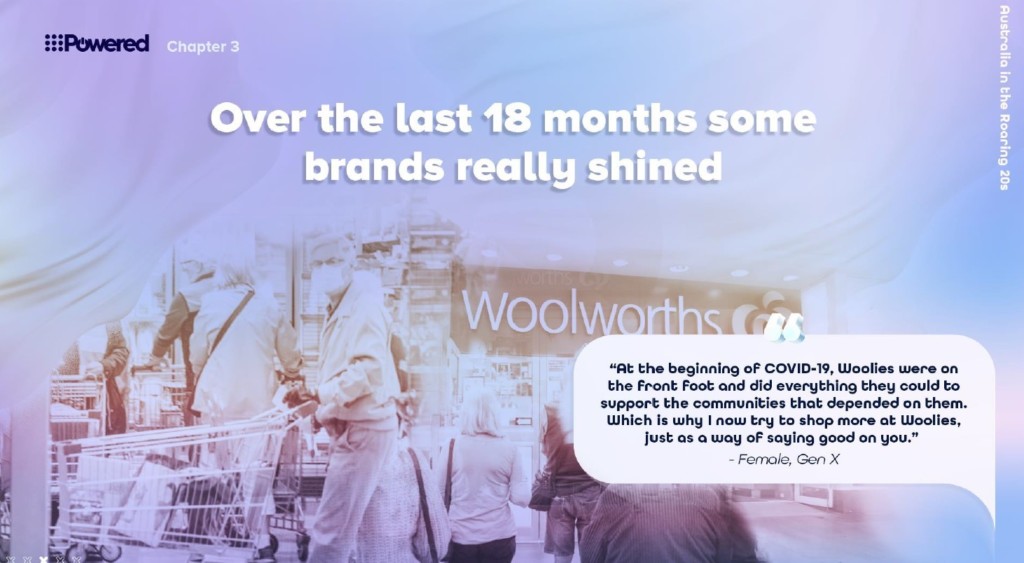
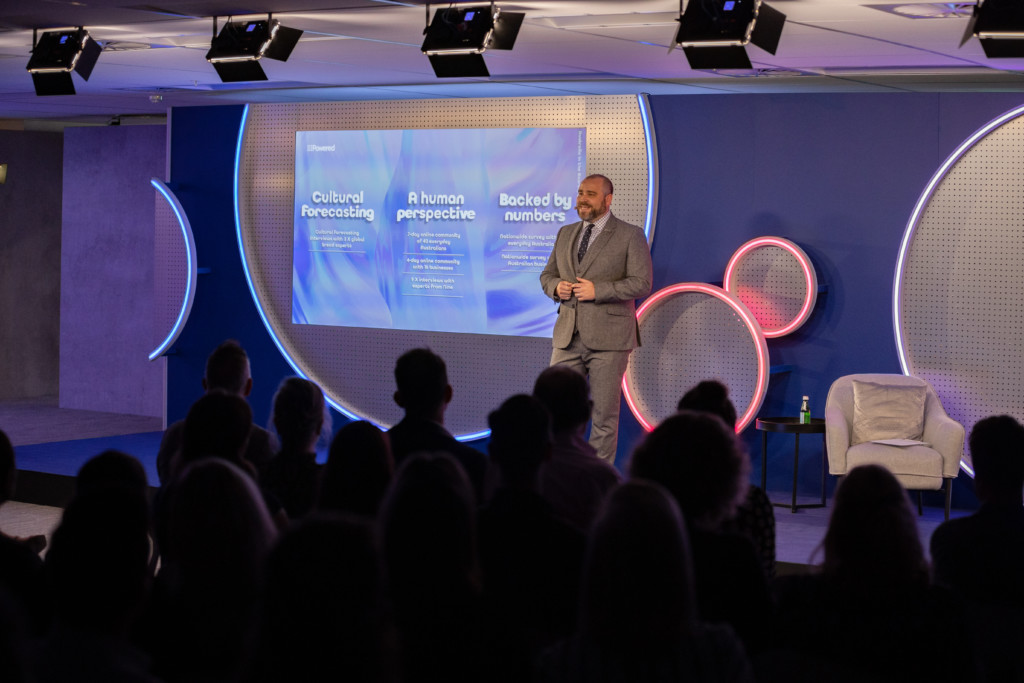
During a panel on the ‘Roaring 2020s’ at Nine’s Big Ideas Store this week, the room heard how new research by Powered by Nine and marketing research firm Fiftyfive5 showed that recent events surrounding COVID-19, where brands reacted swiftly to the pandemic, had shifted the lens in which many consumers view the brands they deal with.
“What came through so strongly in our research was people saying: ‘it’s not about what you say but it’s about understanding your role in my life and in the community as well and fulfill that’,” said Hannah Krijnen, Director at Fiftyfive5.
“I’ve been joking that in the past 12 months, all Australians have done a branding 101 course because the expectations and engagement are so much higher, than they have been. “Where two years ago we might talk to people who were (aged) 50+ and they were pretty happy if you spoke the right way (about issues) they were happy. But you can see the conversation shifting and suddenly they have seen brands do more than talk.
“So, when Woolworths (in COVID) got their deliveries working, when they had community hours. Or Coles was doing that it gave them a lot of credibility. That became even more important in regional communities.
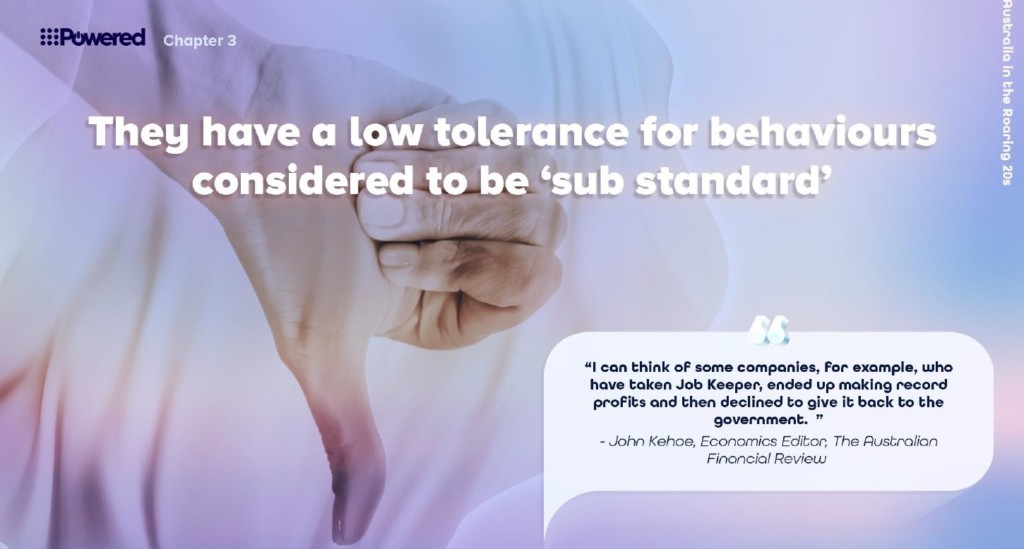
The Powered by Nine and Fiftyfive5 research also found that not only are Australian consumers now more conscious of the need for brands to live up to the ideals of social responsibility, they also have a increasingly low tolerance for behaviour considered to be ‘substandard’.
Toby Boon, Director of Strategy, Insights & Effectiveness, Nine
Fellow panelist Russel Howcroft, the host of 3AW Breakfast and panellist, agreed, arguing that the era where brands only paid lip service to ideas like corporate purpose was over.
“All brands and businesses need to recognise that we are at the beginning of a very big social change,” said Howcroft. “This is why purpose matters, I used to be very cynical and I thought it was something that the advertising industry had created in order to write a proposition, in order to write better advertising.
“I don’t have that cynical perspective anymore now. It is the fundamental seed of all businesses of the future. They have to have a core purpose that they fundamentally believe in and that they then get their staff, their colleagues to believe in and then that belief leaches out into the marketplace.
“It is no longer good enough to promote an idea, you have to live and breathe it.”
Krijnen said an idea like corporate purpose was too often over complicated and framed within corporate social responsibility (CSR).
“I think purpose is a difficult word because you say purpose and immediately you can see people jumping to CSR and lots of different social issues. I don’t think that’s what this is about for people,” she said.
“What we hear people talking about is ‘I want to know why you are here?’, ‘Why are you in business?’, ‘What is it you want to offer and will you follow it through in everything that you do?’. It’s not that every business needs to have a stance on climate change, gender, homosexuality and everything. There are brands that have very clear purposes, that purpose is very focused and its when you follow that through and look at how that impacts the community that matters. Because it’s about more than just your individual relationship with the end customer.
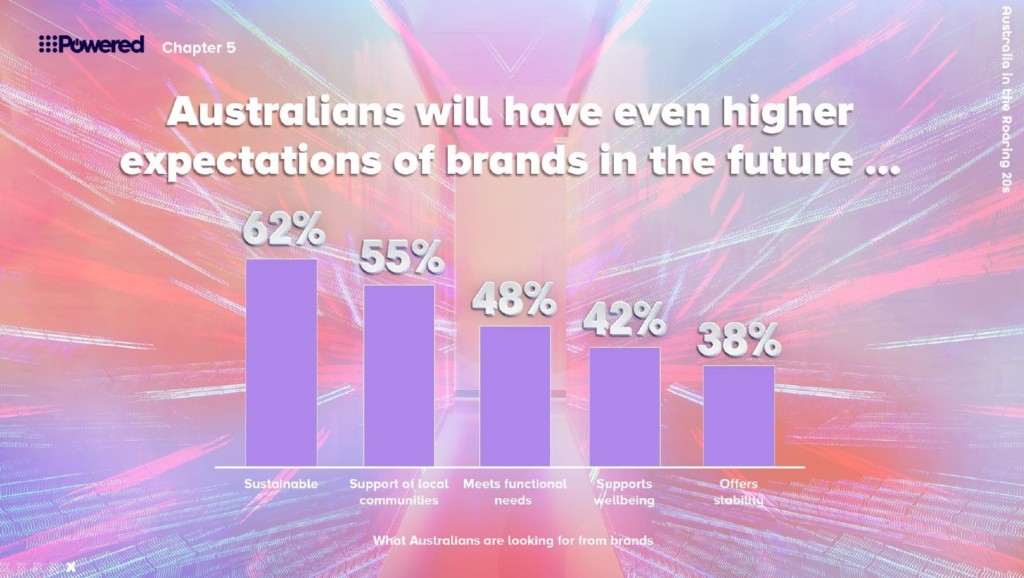
Moderator Toby Boon, Nine’s Director of Strategy, Insights & Effectiveness, asked the panel if there was a generational difference in attitudes, pointing to how the research highlighted that the majority of people expected both sustainability and support of local communities from brands they deal with.
“Of course,” said Krijnen “The big difference is Gen Z. They have expected this sense of purpose and role in the community for a long time. It’s not a benefit, its not something you do that you charge more for. It’s a question of if you are going to be a good brand in this world you have to know why you are here and act on it. Gen Z are driving the change but Baby Boomers are starting to catch up now.”
Toby Boon, Director of Strategy, Insights & Effectiveness, Nine Allison Langdon, Presenter, Nine Hannah Krijnen, Director, Fiftyfive5
Panellist Allison Langdon argued there was a simpler of viewing this generational divide.
“Do you think it’s a simple as the difference in the generations is that Gen Z want to change the world and for Baby Boomers it’s more about the community and keeping the community safe?,” said Langdon
“I think that’s a really nice way of looking at it,” responded Krijnen. “In the research we had this clear shift in the Gen Z responses and it’s the hope that they can enact change and they can tackle these wicked problems.”
“Gen Z are very community focused. They are going to behave very differently as they go through life and their community will be very important,” said Howcroft.
Want insight, perspective and opinion straight to your inbox?