The Power Of Sports Marketing

Logo

Sport at Nine in 2021

Sport cuts deep into our culture and community. It’s powerful because it’s real. It’s powerful because it’s unscripted, and its powerful because the stories live on long after the lights of the stadium go down. ​

Here at Nine, we don’t just serve up the main game, ​

We connect Australia with a whole Wide World of Sports. ​

From television, digital, print, radio, video on demand and live streaming, there’s no place like Nine to reach and engage more Australians through the power of sport.

Recap on Nine’s sport strategy for 2021

Play Video

… Or jump straight to the point 

Play Video

What’s coming to Nine in 2021

Play Video

Putting sport to work for your brand

Play Video

Nine’s Wide World of Sports Guarantee

Row triangle Shape Decorative svg added to top

The Best In Sport Marketing All In One Place

1

Unrivalled Scale
& Connection

2

Best
Storytellers

3

World Class
Creative & Execution

4

Effective
Outcomes

What's Coming

Underpinned by the best in sport entertainment and news

Row triangle Shape Decorative svg added to top

The Total TV Experience and beyond...

We've recognised that audience habits are changing and we're changing with them by combining Nine's free-to-air assets with Australia's leading local SVOD service, Stan.

The launch of Stan Sport will enable Nine to deliver a “whole of television” approach to sports as it offers extensive live and on-demand coverage to Stan subscribers, as well as making select premium events available on Nine’s FTA television channels. ​

The move will allow Nine to choose the appropriate platform for its various sports in 2021 and beyond. ​

Sport and Your Brand

At Nine, our investment into effectiveness is indicative of our commitment to delivering you results that truly matter.

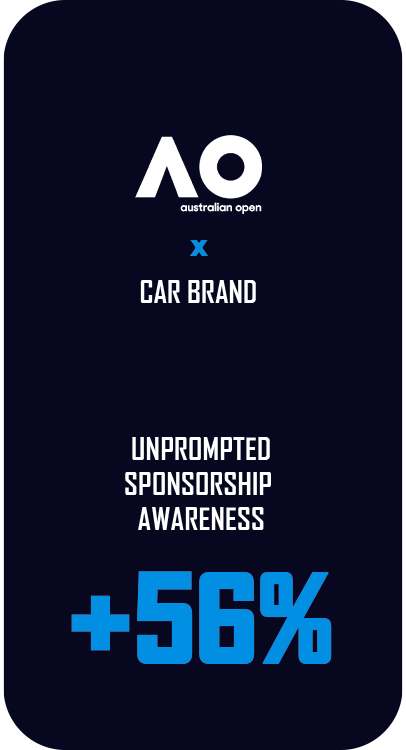
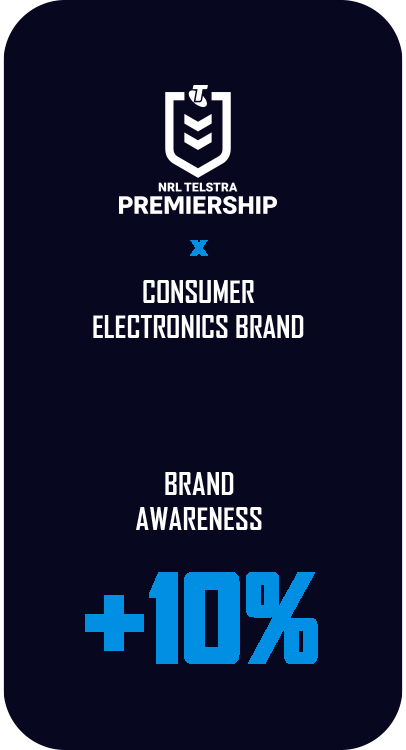
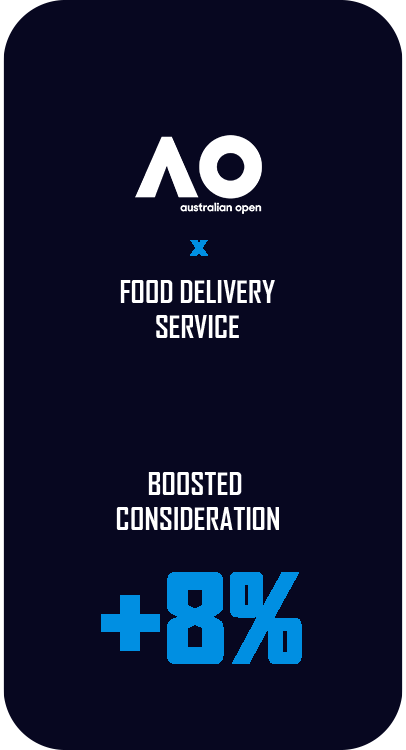
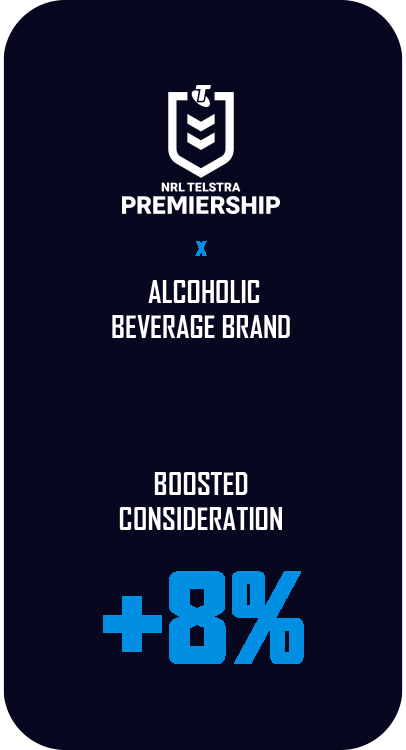
From the main game to the experts and the entertainers, we provide brands with an unrivalled platform to tell their story. Don’t just take our word for it, see what some of our partners have been up to:

Play Video
Tile_1
Tile_2
Tile_3
Tile_4

Contact us for more information on how your brand can leverage the power of Nine to deliver real business outcomes.

  • This field is for validation purposes and should be left unchanged.

Nine: Australia’s undisputed ratings leader

TT
Nine has never been bigger, Nine has never been stronger and Nine has never been better positioned to help you grow. From linear television to broadcast video on demand, Nine continues to be the home of powerhouse sport, big-format entertainment and premium, locally produced drama.

Australia's leading TV network

This unrivalled lineup has cemented the 9Network as the most consistent linear TV network for audiences and advertisers across all key demographics – with a commercial network share of 38% People 25-54, 36% People 16-39 and 39% Grocery Shopper + Child.

NOTE: For the best viewing experience on mobile, please view landscape.

Australia's leading primary channel

Channel 9 leads as Australia’s preferred free-to-air channel, with a commercial primary channel share of 27% People 25-54, 26% People 16-39 and 28% Grocery Shopper + Child.

NOTE: For the best viewing experience on mobile, please view landscape.

9Now - A streaming success for People 25-54

Providing marketers with the ability to harness Australia's greatest content from the 9Network and international exclusives, 9Now is the complete streaming experience. 9Now is the number one broadcast video on demand platform for People 25-54, with a 43% share of CFTA minutes.

NOTE: For the best viewing experience on mobile, please view landscape.

To find out how your brand can leverage the power of Nine to drive genuine business outcomes, request more information

Source: 9Network: OzTam Metro Data, 5 City Metro, Nine Network, Seven Network, Network Ten, Nine Primary, Seven Primary & Ten Primary, 2020 YTD 01/01/20-15/11/20, Commercial Share %, 18:00-23:59, Consolidated 7. 9Now: OzTAM VOD + LIVE VPM, 1 Jan – 15 Nov 2020, includes co-viewing on connected TV devices.

Mi3 – Why content should be your biggest investment in 2021

BiggestInvestmentHeader_01

In the third of Mi3’s Fourcast 2021 series in partnership with Nine, Tourism Australia General Manager – PR, Social and Content Anita Godbeer, IAG Director of Content and Customer Engagement Zara Curtis and Nine Head of Content Production and Development Adrian Swift discuss how brands can deliver high-quality content that connects with audiences and produces provable results.  

200721_Nine_Executives_Adrian_Swift_0359_ROUGHETCH_CROP

“Television is about creating a mood, a feeling and telling a story.

We are a long form story telling environment…[sic] we are at the brand building end of all this and that’s what we do really well.”

- Adrian Swift, Head of Content Production and Development.

Rather read than watch?

A full transcript of the interview can be viewed below.

Paul McIntyre:

Welcome to Mi3’s marketing series, Future Forecast I'm Paul McIntyre, executive editor of Mi3, and this is the third episode in our four-part series which dives into some of the key themes marketers and the broader industry will need to keep a watch on for 2021. Thanks to Nine for partnering on the series.

Today we're talking content. What the hell are brands to do next year with content marketing across their owned media assets, social platforms, and what lies ahead integrating into big broadcast TV shows? It’s clearly very messy out there for any sort of planning. So with us today, to get a sense of what some marketers are doing, we have Tourism Australia's general manager of PR, social and content, Anita Godbeer; Zara Curtis, director of content and customer engagement at IAG; and Adrian Swift, head of content, production and development at Nine.

Anita, I think 80 per cent of your audience into aus.com and some of your social platforms was international audiences, international people. What's happened this year, and has it collapsed? What are the numbers doing? Is anybody interested in coming to Australia?

Anita Godbeer:

Thankfully, yes, they're still interested. You would have thought that it’s all collapsed, but it hasn’t, surprisingly I guess. Aus.com has only fallen by about 20 per cent and a lot of that  had to do with the restructure we did to the site late last year, before all this happened, where we reduced it by half. So it reduced our SEO, I guess. But obviously with COVID and bushfires, it’s reduced dramatically as well, and we haven’t put a lot of paid into that platform internationally, so that’s reduced the overall visitation as well. Social has boomed, and we know that’s across the board in terms of social time and then time spent on social. But our global platforms across the board have gone from a base of 14 million in January of this year, a fan base, to 16.2 million now. So it’s grown quite a lot. The engagement rate on Instagram, for instance, is about 10 per cent, which is a significant increase on last year as well. So we’re doing quite well.

Paul McIntyre:

So people can’t travel, but they’re still interested in, fantasising or dreaming of what might be in a day that might be a decade away, or hopefully, three months away. But what’s going on there, at least in international markets?

Anita Godbeer:

I think everyone still loves to travel. Everyone’s still dreaming of travel and while you’re in lockdown, you’re still dreaming of what you can do next. Aus.com really sits firmly in the mid-funnel planning. It’s a planning site really, with a goal to be an inspirational planning site. We’ve changed our social approach a lot and we’re driving a lot more traffic to aus.com through our social, which is also doing well.  So I guess we’ve changed our content strategy as a whole.

Paul McIntyre:

What has changed in your content this year? You had to can Matesong, which was the Christmas UK launch, right?

Anita Godbeer:

I know. It’s painful.

Paul McIntyre:

A great campaign with Kylie and so forth.

Anita Godbeer:

We only got our week out of that, but we got phenomenal results in that week,  so we were really lucky. We were talking to our UK team last night and lamenting the fact that we had to stop it and trying to think about how it can maybe have a comeback.

Paul McIntyre:

Can you get it back?

Anita Godbeer:

I’d love to. I’m trying to save that, but we’ll see.

Zara Curtis:

Why not?

Anita Godbeer:

What we’re doing is for social, we’ve reduced the quantity and gone for quality. We’ve leaned into being empathetic and making sure we’re relevant for the time. For  instance on Instagram, last year we did 880 posts. This year so far we’ve only done about 300. We’ve changed the sentiment and also looked at new content formats. We've done Listicles and Instastories and destination guides featuring obviously beautiful imagery, but it has seen a lot more driving traffic to aus.com, which is great. So it’s helped support us there as well as  driving to our industry, which is really hurting. For aus.com, we’ve done a whole new restructure of the site, a lot more immersive content. We’ve leaned into domestic, which has helped keep the numbers high as well. We’ve got a new road trips hub with great mapping functionality. We've got a COVID safety hub, looking at what you can do to keep safe, and also what borders are doing in terms of open or closing.

Paul McIntyre:

Domestic has not been your go-to, really. It’s been international.

Anita Godbeer:

We haven’t been there for eight years.

Paul McIntyre:

You have to learn something. Well, rejig everything.

Anita Godbeer:

Yeah. It’s been intense. We’ve had to find our place within the domestic sphere as well. Hence we’re focusing on what we do well, which is, I guess, the planning and core content. We've relaunched YouTube, which, to be honest, was a bit of a dumping ground for us, for campaign assets. So we're looking at that. There’s a lot of time being spent on YouTube. We've done some “how to” type of content, and just launched a series of 8D immersive videos for a global audience, also here domestically, which has done phenomenally well with a really high retention rate of about 85 per cent across all the videos, higher on some, and a million-plus views with very light paid, I have to say, on that as well. 

Paul McIntyre:

Explain YouTube is a dumping ground. Why didn’t YouTube get as much attention from you guys prior to now?

Anita Godbeer:

To us, the focus was on our other social channels and aus.com. We were focusing more of our video assets on our own channels and on social and  doing phenomenally well, but there’s such a huge opportunity there, given the increased media consumption across those kinds of channels.

Paul McIntyre:

I’m sure Adrian is going to like to hear this because I think you've also talked about commissioning some shows as well for local and international distribution. Can you talk about that?

Anita Godbeer:

We’ve been pitched a lot on broadcast concepts and we’re trying  to break out of the mould. The environment, domestically and internationally when we go back out, is going to be fiercely competitive. PR pitching is really challenging because the world is distracted by COVID, or if in the U.S. it’s the election, or second waves in Europe. So we have to think of a new way to get our message out there because PR pitching is doing well, but it’s slowing down. So we want some really new creative concepts to break out of the travel category and peak people’s interest in Australia in a new way. We we do have a couple of concepts that we’re mulling over at the moment, and I can’t really talk about them.  But Adrian and I maybe will talk about that a little bit later.

Paul McIntyre:

So Adrian, you’ve no doubt had lots of pitches in the last four to five months. Part of your gig is to try and find shows that brands can integrate into your content. So give us a  sense of what’s being pitched at you through COVID. I’m sure that’s going to be very entertaining.

Adrian Swift:

Lots of shows where people Zoom into other people’s lounge rooms, which just, frankly, I’d rather kill myself than commission or watch, and then lots of other shows where people Zoom into other people’s lounge rooms. Sometimes people Zoom back from where they’re travelling, which involves a shot which is a little bit wobbly and a little bit washed out and a little bit out of focus. So we said no to all of that. Look, I think the reality is simply this: as you were saying, Anita, people are still watching travel shows. Getaway’s ratings are their best in several years. We’re still making Travel Guides, admittedly with difficulty, stopping every two weeks every time we cross a border. But it’s interesting. People are still watching travel, so they’re still planning and dreaming. I still think there’s a big market for that sort of stuff. I mean, we’ve spoken to you about Travel Guides.

Anita Godbeer:

Yeah, we’ve worked with you guys on that and Getaway.

Adrian Swift:

I think travel is the big category that will grow both at the tail end, hopefully this is the tail end, of this pandemic, and in future. I think a lot of our focus is there. But  we’re in the middle now of filming Celebrity Apprentice. I think one of the reasons we commissioned that show, apart from the fact that it’s a really good format, particularly in the celebrity version which is about raising money for charity, is that it’s really good at  telling brand stories. We’ve got a number of big brands integrated into that, and it’s a completely logical integration. So what you’re doing is creating a product or an ad or a service for a company, and in the course of doing that you’re telling that brand’s story in the show and for the viewers. It just makes sense. For the brand,  you’re telling a story that no amount of PR or 30-second spots will ever be able to tell. And for us, it makes brilliant content. So if I could find more of those, I’ll be very happy.


Paul McIntyre:

There’s still plenty of interest from brands in wanting to get inside these shows.

Adrian Swift:

Yes. As you and I have discussed, Paul, I think television is about creating a mood and a feeling and telling a story. We are a long-form storytelling environment. Despite the fact that I’m often asked by people to hold up the product and point at it in various shows, we don’t do a price message or a discount message. We are at the brand-building end of this, and I think that’s what we do well. If we stick to our knitting there, and  offer that clearly and unequivocally, then that’s our little space in the world and we can still do it to a mass audience.

Paul McIntyre:

Zara Curtis, you’re in a super-sexy category called insurance, lucky you. You have said that less is more for what you’ve been doing in your content, both your strategy and development and execution. What have you been doing? What sort of content do you think is landing and what’s that volume thing that you talk about?

Zara Curtis:

I call myself a content killer, which is probably not a great name. It doesnt’ make me popular, let me tell you that. So look, thinking like a marketer but acting like a publisher, working with trusted brands like Nine. When you talk about show integrations we’re always looking for the essence of the show, and does that align with our brand essence? I think we’re all bored of this logo slapping. I mean, if you’re wanting that from a brand, from a TV network, I think you're dreaming. But less is more. Knowing what to do. Right context, right platform, right time, right alignment is really important. I’ve had some journalists and ex-TV producers to really help us with that. We’ve got to define that audience. When I say kill, I mean kill don’t fill. On our own channels, especially in social, I think the temptation is to just pump it out there and keep it at average. Make it great. Why? Less is more. You really have to be a content curator these days and know what not to do, because not everything’s a good idea.

Paul McIntyre:

So what type of content? What's changed for the type of content you’re getting out there now? We’ll get to what's happening for next year shortly, but this year, what do you kill, Zara?

Zara Curtis:

Oh, COVID was just a write-off. We looked at everything and went, “Oh dear. We’ve got nothing.” So in about a week we turned around an ad. We recut and repurposed from our koala ad, which was Sammy and his mum at home, working from home, to say, “We’re still here. Our call centres are open.” And then we got back slowly into what messages are right and what was helpful to an audience in a time that none of us had been through. Just looking at what people were talking about in society and movements, we realised the saddest thing was that kids couldn’t go on school excursions.

So we created the first ever virtual school excursion with Dr Chris Brown to Port Macquarie Koala Hospital, which we sponsored. It was looking at our narratives and our emotional storytelling, what’s worked, and building those partnerships out. I think we had over two million views. The long form of it is really amazing. To your point on our own channels, we’ve seen our engagement from a company like insurance, but being true to help our main brand, go up by 60 per cent as well. It’s quite fascinating.

Paul McIntyre:

Anita talks about using YouTube as a dumping ground. Are you the same?

Zara Curtis:

I’m on a learning curve and a journey as well. We tend to do big emotional storytelling and partner with trusted networks. I don’t have a YouTube strategy. I don’t do it because I can’t fill everything. I think it comes back to the curation and the why. When I have the right content for YouTube, I’ll use it, but launching channels and trying to fill them, it’s just not our strategy. Also, it’s expensive. I’d rather do one or two beautiful, big emotional things, and then you’re always on content in the right channels.

Paul McIntyre:

Great point.

Zara Curtis:

It's not a populate process for me.

Paul McIntyre:

Yeah. That’s probably the antithesis to what many companies are doing now because they feel like they’ve got to fill, so it’s an interesting contrast, Zara, when you talk about it.

Zara Curtis:

Our audience isn’t on TikTok.

Paul McIntyre:

That’s right.

Zara Curtis:

So  I don’t need to be there.

Paul McIntyre:

Adrian, we’ve talked a little bit about content and mood. What’s your hunch for next year in the sort of content that’s going to land and the visuals? The whole sentiment, the public sentiment, is changing so quickly. Who knows how to plan for next year? I’ll get to you, Anita, on this one as well. But your finger in the air sense now, Adrian, on what’s going to land, what’s going to be different, or what you’re not going to do.

Adrian Swift:

It’s a good question. Everything that follows is a hunch because it’s such a febrile environment that is very difficult to know. But one of the things I often say is we get the ratings every morning at 8:59, and it's a bit like having to do an exam every morning at 8:59, sometimes passing and sometimes failing. But every morning at 8:59 your view of your content shifts ever so slightly because you’re watching what other people are doing. You’re watching what people are doing online. You’re watching what people are doing with the streamers, and you’re moving your content parameters ever so slightly every morning. Over the space of a month, you might’ve moved from there to there. We talked about it earlier, travel. I think travel is one of those things, both vicarious and planning. The reality for free-to-air, and then how that free-to-air content then plays out on our BVOD platform 9Now is, it's got to be noisy.

We still hold onto this idea that we’ve got to get a million people in one place at one time. Now that million might accrue over a little bit of time, but let’s call it 800,000 are watching it overnight, and the rest of getting it within 24 hours of that initial broadcast. You’re still having to create content that talks to a big, broad range of people. So from our standpoint, female, 25 to 54, and big and noisy. I guess the best example of that is Married at First Sight, which is a phenomenon because it works on so many platforms. For someone like us, it’s difficult to integrate into, but the people who do, your iteration is on broadcast television. It’s the biggest show in catch-up in Australia. It’s on the front cover of every magazine in every carousel in every supermarket. It absolutely dominates social when it goes out. That’s the holy grail for us, where you can completely dominate the conversation for a period of time. They’re the sort of shows we like.

Paul McIntyre:

Sentiment. Is it more happy? I think you’re talking about happy, happy, clappy, clappy, kumbaya?

Adrian Swift:

Yeah, I think it is more happy, happy. I wish it was more sophisticated than this, but yes, I think you’re right, Paul. I think we are moving, at least for a little while. The reality is, you’ve still got to have drama.

Paul McIntyre:

And a bit of tension.

Adrian Swift:

When we cast a show, when we pull the people together, you still have to have people who drive drama. The Block this year is a good example of it. Five couples who not only genuinely are lovely people, but genuinely like each other and are involved in a cooperative world. Whereas typically on The Block, it’s not that at all.

Paul McIntyre:

Divisive.

Zara Curtis:

That’s a big change. People do want positivity, community. Anything that's too uncomfortable, I think. You got to make drama.

Adrian Swift:

I think that’s right. You’ve still got to have those moments.  Our big strip shows, and this is common to Seven and Ten, I describe them a little bit like a telenovela or a soap. They’re a little bit like those fabulous Mexican and Spanish soaps. It’s got to have relationships. It’s got to have drama, and it’s got to have characters that you love.

Paul McIntyre:

I think you also talk, Adrian, about having more beach themes and coastal stuff as well.

Adrian Swift:

Yes

Paul McIntyre:

Is that deliberate or just accidental because you’re an accidental genius?

Adrian Swift:

No, no, it’s completely deliberate.

Zara Curtis:

Because people can’t go outside, you’re going to tease them.

Adrian Swift:

Mostly. No, no, no, we're going to let them—

Paul McIntyre:

Inspire.

Zara Curtis:

Inspire.

Adrian Swift:

We’re going to let them do it all vicariously. Look at it here because you can’t have it there.  I think we’re looking at things like limited travel experience. So for the beach houses, that sort of thing – let’s face it, not many of us can afford to have a beach house, but we can put ourselves in someone else’s position. We can live that vicariously. I think we’re spending a lot more time in that sort of coastal, relaxed ... it’s almost a version of working from home, if you like, but it’s a home slightly removed from where we normally come from.

Paul McIntyre:

Any tips for brands in terms of integrating into this content? You’ve told a couple of funny stories, but what should they be thinking about as they try to get in-show, as opposed to around it?

Adrian Swift:

How do we align? What story are you trying to tell, and what story are we trying to tell? So we create a mood and we create an environment, and does your story align with ours? We can shift our story, but we’re telling a story and if we can make those two stories align, then we’ve reached that happy place that A, is really logical for the people who watch, for the audience, but B, it just makes your life and our lives so much easier.

Paul McIntyre:

Next year, okay. Next year for Anita and Zara. Anita, you’ve got the potential of a travel bubble, at least with New Zealand, maybe coming. They talk about Singapore, Korea, Taiwan, I think. So what does that mean for you? Planning must be a nightmare because it’s moving all the time. How many plans have  you got and which one’s the best one at the moment for next year?

Anita Godbeer:

Planning has been a nightmare. It’s been a really interesting year, not just for us, for everyone really. A lot of pivots, and I know we all hate that word. Now that the domestic launch is out – we did that with Holiday Here This Year, this week – we can now switch our focus. We’ll continue in domestic, but we need to really switch to international as well. We’ve got a strategy in place, to be honest, there’s pivots within that, but it’s pretty clear what we need to do. We’re defending our brand at the moment. Brand Australia is really strong, but we’re going out with content marketing and making sure that desire is continued. Bubble markets, I guess it’s our first attack phase. New Zealand opened today. First flights are arriving at the moment, a little earlier than what we predicted. We had quite an interesting PR moment that we all had been working towards for the past couple of months, and we’ve just thrown that out the window. Anyway, we’re re-pivoting to see, once reciprocal borders are open, what we’re going to do.


We have a brand campaign ready to go in New Zealand, specifically for New Zealand, when that sentiment is right. For the other markets, we’ve got a brand campaign ready for those as well, so we’re a bit ahead of the curve. We wanted to be ready for when things happen. I’m talking to our markets in Asia, for instance, about what that moment that’s going to be nuanced for their market is going to be from an earned perspective, to cut through the clutter. Because we’ve never been in this position before where all borders are closed. In a way it presents a huge opportunity for us to re-enter the market, and the market’s going to be cluttered. Most other markets are going to be open before us. So we need to go large and we need to do some really interesting things to reignite that consideration and the actual booking to Australia.

Paul McIntyre:

Well, I don’t envy your tasks. Zara, 2021 for you. You touched a little bit on the mood. What are your priorities, and what do you think that mood and sentiment will be? How’s that going to work for a sexy insurance company?

Zara Curtis:

We feel very clear. I have absolute clarity on where we’re going and what we’re doing. We’ve got a beautiful brand position. We’ve worked hard at that. I think as a whole marketing team, we used COVID to get our proverbial shit together. So we have a plan for 12 months. Having said that, I think it’s creating content at the speed of culture. While we have a plan, we’re not going to put it in the can and wait for a year and release it. That just won’t work. So really being intuitive to what’s going on in the world. Partnering with credible partners has never been more important. Our brands are the most five trusted. I think we’re all very careful to respect that and make sure we do what’s right and what’s great. Big emotional storytelling.

We're working on some really exciting things. Long-form content, I think, is going to have a really big place with us and how we integrate or create in that space will be really good. I think, Paul, the biggest thing for me, too, is nurturing creativity and our people right now, making sure we’re supporting the industry and that we keep creating and using new directors and young people. I think in our own teams, we have a responsibility to do that as a brand that can spend in the industry. I feel very passionate about that, and we do as a marketing team. So really making sure we keep creating the right thing.

Paul McIntyre:

Yeah, good on you. You said none of your team have been in the office since March.

Zara Curtis:

March 5.

Paul McIntyre:

Interesting trying to do that when you’re all remote. Crazy stuff.

Zara Curtis:

Absolutely. But I might pitch these to a show soon because we’ve seen caravan sales go up by 15 per cent. So we’ve just launched a highly targeted niche, little caravan campaign. So if you’re interested getting Australians on the road.

Paul McIntyre:

There’s a large pitch. Well, that’s it for our third edition in the Forecast to 2021 series. We’ll have our final episode in two weeks on what some brands are actually doing next year in this grand debate on longer-term brand building versus the need to drive short-term results. Thanks to Anita, Zara and Adrian for their conversation. Get back to making some cracking content and stay safe. Thank you all.

Well, that's it for our third edition in the Forecast to 2021 series, we'll have our final episode in two weeks on what some brands are actually doing next year in this grand debate on longer-term brand building versus the need to drive short-term results. Thanks to Anita, Zara and Adrian for their super conversation. Get back to making some cracking content and stay safe. Thank you all.

For further information, contact your Nine representative, or complete the form below. A member of the team will be in touch.

As Origin returns, fans’ hunger for live sport shows no sign of backing down

This year, the NRL beat all the odds by being the first professional sport to return to the field since the pandemic hit and, as of the weekend, united close to 3m Australians, along with year on year growth, with the NRL Grand Final. Now, with Origin fast approaching, fans and brands alike are fully realising the true power of live sport on Nine.

Off the back of the year’s biggest weekend in sport, the AFL and NRL Grand Finals have proven fans’ interest in live sport is unrelenting. With nearly 3m viewers turning to Nine for Sunday’s NRL blockbuster, clocking up +60% commercial share across all key demographics and double- digit audience growth year on year, the best of NRL is still to come.

During the early months of the pandemic, the sudden temporary disappearance of live sport left fans and brands alike with a gaping hole in their lives. For fans, the lack of live sport – in particular, the postponed NRL season – took away the solid, reliable structure of the sporting calendar.

Fans’ connection to friends, community and family is inexorably linked to sport, and for those uncertain few months, the loss was all too real. Brands and marketers were similarly at a loss, suddenly facing months without the incredible brand-building connection that only comes from live sport.

But despite all the odds, NRL, NRLW, and the State of Origin series have come back fighting. Rugby League was the first professional sport on the field to return since the pandemic first hit, and the State of Origin is back stronger than ever with critical new COVID-safe rules in place, exclusively on Nine.

The Queensland Maroons and the New South Wales Blues have already been in lockdown camp for weeks, all to prepare for these three games in the most COVID-safe way possible. Fans are gearing up with a renewed appreciation for how it makes them feel to watch their home team, out there, live on the field.

Brands are now realising the true power of live sport, and how it’s entirely different from other content. Many other forms of content encourage viewers to lean back, but with live sport, it’s about leaning in, truly engaging in every second of the match, and being utterly unable to look away.

After the events of this year, fans are keenly aware of how much watching live sport means to them. With 10 million eyeballs across three consecutive weeks, marketers should not sleep on Origin’s incredible opportunity for their brand to be viewed with fresh eyes. Many brands, sponsors and partners have already committed to the series with a heightened awareness of what live sport can do.

Christmas is coming

The consumer consideration period has been pushed back much further this year, as customers continue to face uncertainty from all angles. Thankfully, signs are beginning to point in the right direction, and the focus now is on getting the retail sector back up and running in time for the busiest period of the year.

With the State of Origin pushed back to this critical time period, marketers are facing a unique opportunity to catch consumers in the right place at the right time. The game is suddenly a real option for those brands who may not have considered it in its typical winter time period.

Nothing but three State of Origins can deliver such a mass reach and impact at a single point in time. This year, the game stands on its own with no other footy to compete against it. It’s also being run back to back for the first time, further increasing attention.

With the retail sector opening back up again, the new timing of State of Origin is a huge opportunity for brands in a year where chances like this have been few and far between. If you want to talk to an audience in a family-friendly, brand-safe environment, this is the place to be.

Broadcast and beyond

Broadcast and live sport go hand in hand, but in 2020, Nine’s offering goes far beyond broadcast alone. One of Nine’s big focusses for 2020 was how to bring its Wide World of Sports expertise and coverage to life across all of its assets in a way that provides brands with more opportunities to be seen by fans.

From The Sydney Morning Herald to Nine’s Wide World of Sports, Nine plays where marketers’ customers are. Television, print, radio and digital all work in tandem to provide a cross-platform experience that leaves no stone unturned.

For clients who have a strategic audience objective to put forward, they can now map that to the audience and to the platform to extend their reach, frequency and cut through.

Looking towards 2021

For the 2021 season, the time to start planning is now. The State of Origin has long been Australia’s Superbowl in terms of the audience it attracts, but for 2021, Nine is encouraging Australian marketers to create world-beating ads to match.

Announced in its 2021 Upfront presentation, Nine has revealed a prize of $1m advertising inventory to the brand who can come up with the best commercial booked within the three-game period of State of Origin 2021. A panel will judge the best commercial from advertising booked within the three-game period of State of Origin 2021. The State of Originality will act as a call to arms for marketers and their creative teams to elevate the importance of creativity in delivering results.

After a year filled with unrelenting uncertainty, fans and brands alike are now sure of one thing: live sport matters. For fans, it’s a part of their DNA and an unmissable part of their yearly calendar. For brands, it’s the definitive way to achieve true cut through when they need it the most. As Australia’s home of sport, Nine and Wide World of Sports will be there every step of the way.

Scale, influence, buying power: We need to talk about talk radio audiences

Our industry has a very clear stereotype about the both the type of person and the mindset they bring when listening to talk radio.  But new research from The Lab suggests that perception is far from reality. Nine’s Richard Hunwick invites media buyers to turn down the music and start a smarter conversation.

Clearing the airwaves

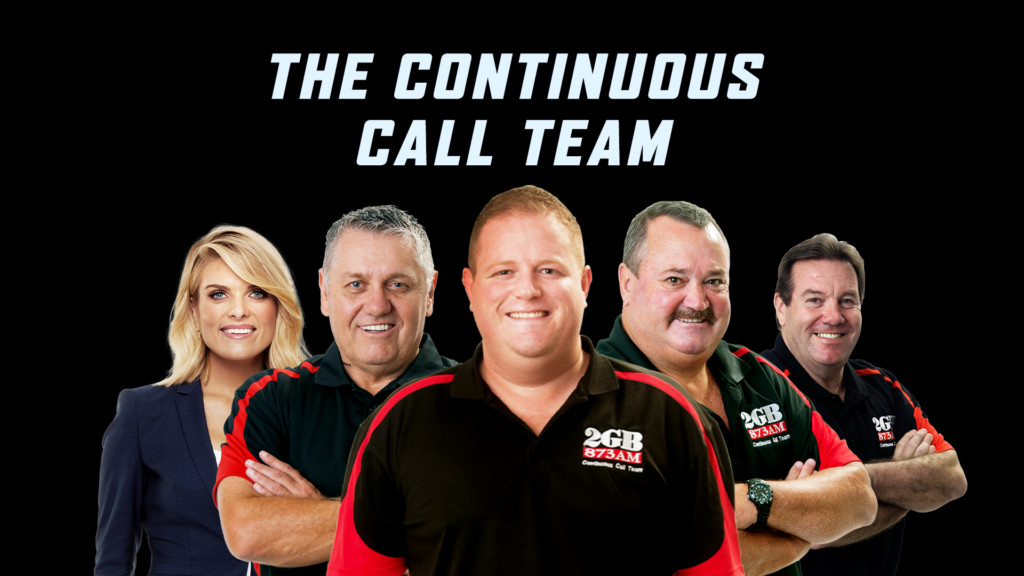
It’s fair to say that in the 12 months since Nine took over what was Macquarie Media (now Nine Radio) we’ve certainly done more than replace the curtains or given the place – which includes iconic talk radio brands such as 2GB, 3AW, 4BC and 6PR – a new lick of paint.

We’ve moved quickly and deliberately to bring these stations’ brands into a new decade and set them up for growth. The changes have seen us refresh the on-air lineups in Sydney and Melbourne while bringing local content to Brisbane, but they have also been much broader than that.

From the outset we knew there is real value in the talk radio audience that the market wasn’t fully seeing, and that marketers and their agencies weren’t realising in their campaigns.

To resolve that, we’ve tackled the basics first: for instance, from November, making it possible for marketers and agencies to buy radio on 9Galaxy and ensure the millions of Australians who listen online are included in Nine’s extensive data lake (enabling targeting across the radio sites in addition to our other properties).

“2GB pulls a weekly cumulative audience of 696,000 and 3AW has a weekly cumulative audience of 840,000, based on latest survey results. So it’s about a lot more than just an older audience tuning in. These talk stations live at the beating heart of their respective cities.”

– Richard Hunwick, Nine

Mass reach, deep engagement

What still surprises me in my conversations with agencies is how one-dimensional the view of the talk radio listener can be. It’s easy to take an outdated AM versus FM view, but in an era of digital radio, where every smartphone is a radio, is that an approach which serves the interests of your brand?

Some might want to claim it’s just the “oldies” who listen to talk radio, but this quite simply ignores the fact that 2GB and 3AW are both the number one-rated stations in their respective cities (based on reach and time spent listening).  It is also important to point out that 2GB pulls a weekly cumulative audience of 696,000 and 3AW has a weekly cumulative audience of 840,000, based on latest survey results.

So it’s about a lot more than just an older audience tuning in. These talk stations live at the beating heart of their respective cities. 

We’ve seen this clearly in the midst of the Covid situation this year. In each city, listeners have turned to their talk stations – 2GB, 3AW, 4BC and 6PR – as the places where the conversation happens and they know they can get trusted information and discussion.

“Don’t get me wrong – as Russel Howcroft and Tom Malone noted in a recent Mi3 podcast, it’s true talk radio audiences skew over 40. But we don’t see that as a negative, nor do we shy away from it. We deliver more 35-64s than any other network. But to define these listeners purely by their age misses the real point.”

– Richard Hunwick, Nine

Real influencers

This also isn’t all that surprising when you look at new research from The Lab which examines the profile and attributes of the average talk listener. The research highlights that nearly one-third of new listeners to the talk radio platform attributed it to increasing their sense of happiness. Twice as many talk listeners than music radio listeners say talk provides a sense of feeling connected to others; and 68 per cent of talk radio listeners used it to seek out more knowledge and a better understanding of complex issues.

The research also highlights that talk listeners are more open-minded and digitally savvy than many might presume or expect. It’s worth noting as well that talk listeners are extremely connected to their communities and powerful evangelists for businesses and brands they like, and feel that they contribute to the community. They are true influencers when it comes to brand advocacy.

“In an era when people are living longer, working longer and retiring later, the 40-plus age audience is a new ‘super consumer’. They are often at the top of their earning capacity, they have disposable income that the under 40s often don’t have.”

Real buying power

Now don’t get me wrong – as Russel Howcroft and Tom Malone both noted in a recent Mi3 podcast, it is true that the talk radio audience skews over 40.  But it’s important to note that we don’t see that as a negative, nor do we shy away from it.

We deliver more 35-64s than any other network. But to define these listeners purely by their age misses the real point – based on the most recent survey, our talk radio stations have the biggest audience of online shoppers, car buyers, pet owners, grocery shoppers, interstate holiday intenders, online punters and gym members. They are consumers, they are customers, and they have wealth, income and the propensity to spend.

In an era when people are living longer, working longer and retiring later, the 40-plus age audience is a new “super consumer”. They are often at the top of their earning capacity, they have disposable income that the under 40s often don’t have, and as they move into later life they lack the family commitments those of us who are under 50 often have (to those who know me well, don’t laugh, I’m still there just).

Start a conversation

To my mind it’s time for marketers and agencies to look at the talk radio audience again. Not through a one-dimensional prism but rather as a highly engaged, community-connected and open-minded audience that they need to be speaking to within their marketing campaigns.

Richard Hunwick is Nine’s Director of Sales – Television and Radio. 

On Wednesday 28 October, 11:00-11:45 Nine and The Lab hosted a web session called “It’s Time We Talked” detailing new research into the characteristics of the talk audience. Speakers included Ben Fordham, Brooke Corte, Russel Howcroft and many more.

Watch Now

Let’s go. What do you think?

Christmas at Nine

Row concave Shape Decorative svg added to bottom
ChristmasHeader_TT

In a year truly like no other it’s more important than ever to have a partner in business to deliver real outcomes as we move towards the Christmas season. A partner who understands your customer, understands your business objectives, and understands how to leverage the power of big content moments to connect your brand with millions of Australians this festive season.

We understand changing consumer preferences

A summer of bushfires and floods, coupled with a year of lockdowns and uncertainty, has seen consumers reset their priorities, looking at new ways to celebrate this year. In “Unboxing a Christmas like no other”, bespoke research conducted by The Lab in partnership with Powered by Nine, three key themes emerged. Simple things, made more meaningful and the Australian way.

Christmas this year will see Australians looking to simple festive moments that connect them to their family, their community and their nation. Nine’s Christmas content responds to our audiences’ needs and offers unique opportunities for your brand.

Take a closer look at “Unboxing a Christmas like no other”

Emerging themes from Nine's Christmas research

Stat 1
ChristmasStats_2b
ChristmasStats_3

Let’s hear from 9Honey's Jo Abi as she discusses how the past 12 months will influence the festive season this year. 

Deeper insights to inform your Christmas campaign

At Nine, we have deep consumer insights helping you to plan better and buy smarter, ensuring your brand makes it under the tree, on the Christmas table or the shopping list, ahead of your competitors. We know when our audiences are looking for inspiration, starting to plan their Christmas spend, and when the buying begins. These insights, combined with our national consumer sentiment study, will ensure your marketing dollars go further this festive season.

Discover more consumer insights from Nine’s national consumer sentiment study Consumer Pulse.

Christmas planning has begun

ChristmasStats_Graph

The biggest Christmas marketing moments

At Nine, we understand consumers deeply: their motivations, preferences, content interests and behaviours, across a dynamic content ecosystem from broadcast to radio, print and digital. We have an unrivalled slate of cross-platform content which will position your brand front and centre with millions of Australians as the key Christmas period draws closer.

To find out how your brand can leverage the power of Christmas with Nine to drive genuine business outcomes, request more information

Source: Unboxing a Christmas like no other, Christmas research, Nine and The Lab, 2020 N=1,000 Australians, Nine's Consumer Pulse consumer sentiment study 2020, for more information visit https://www.nineforbrands.com.au/methodology/.

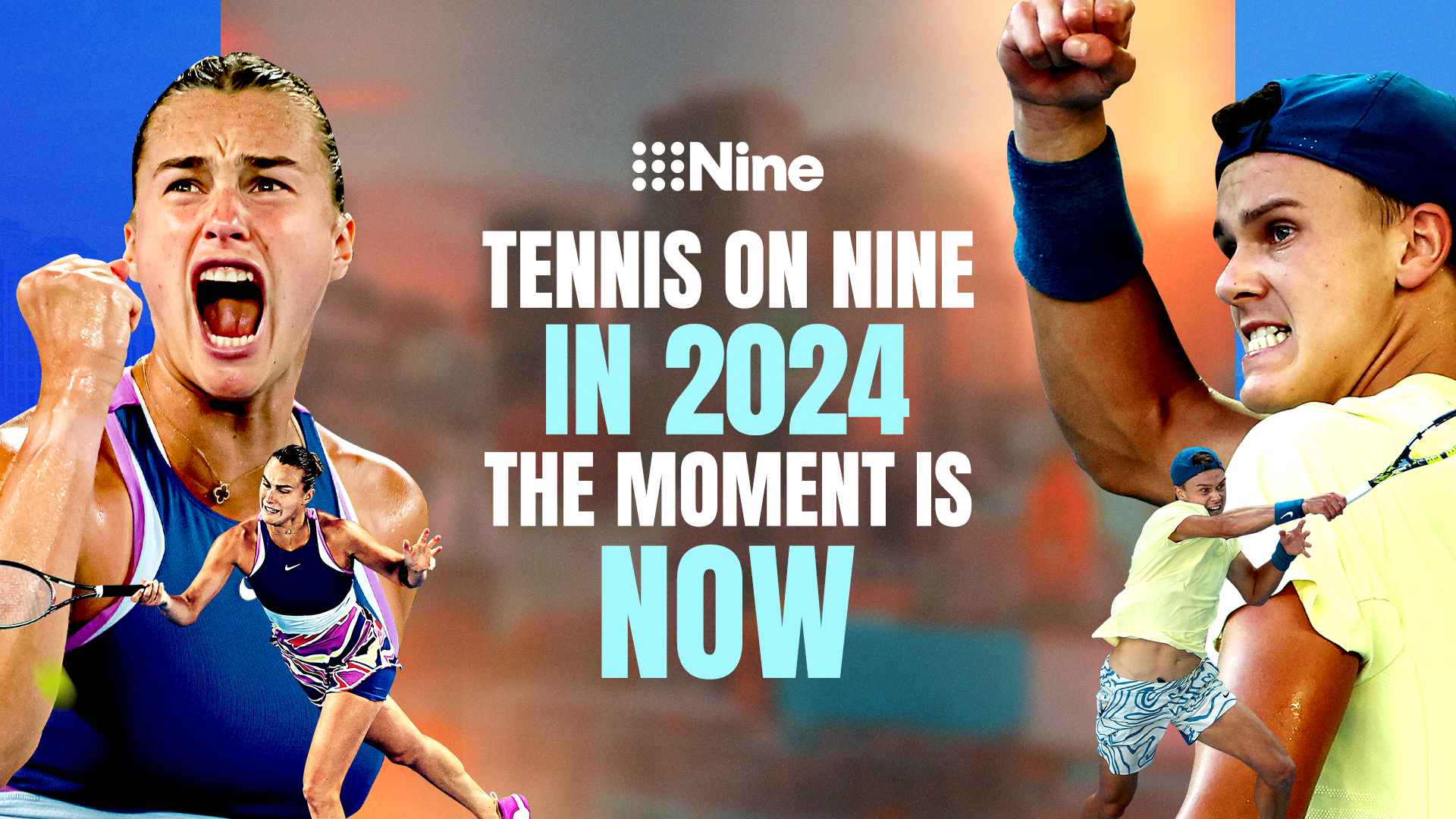
Tennis on Nine 2024

AO_HeaderImage02

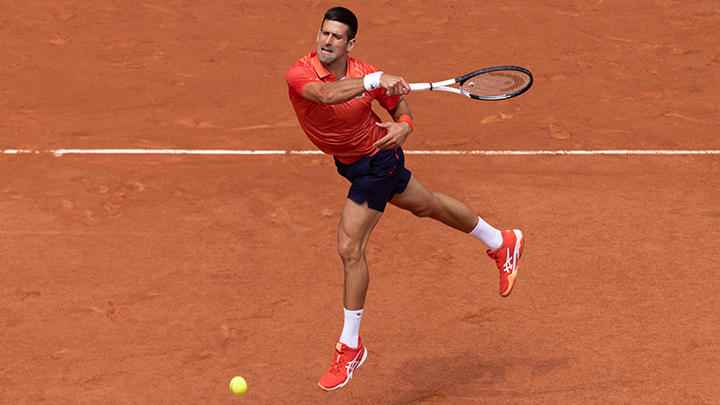
Tennis on Nine in 2024 holds the promise of surprise, suspense and success.

Our national and international hosts will bring Aussies all the entertainment, updates, news and more. Our experts, covering a time for fans, new records, new stars and new stories like nowhere else can.

All this, across Nine’s multi-platform touchpoints will put your brand at the heart of the action - driving real, measurable impact.

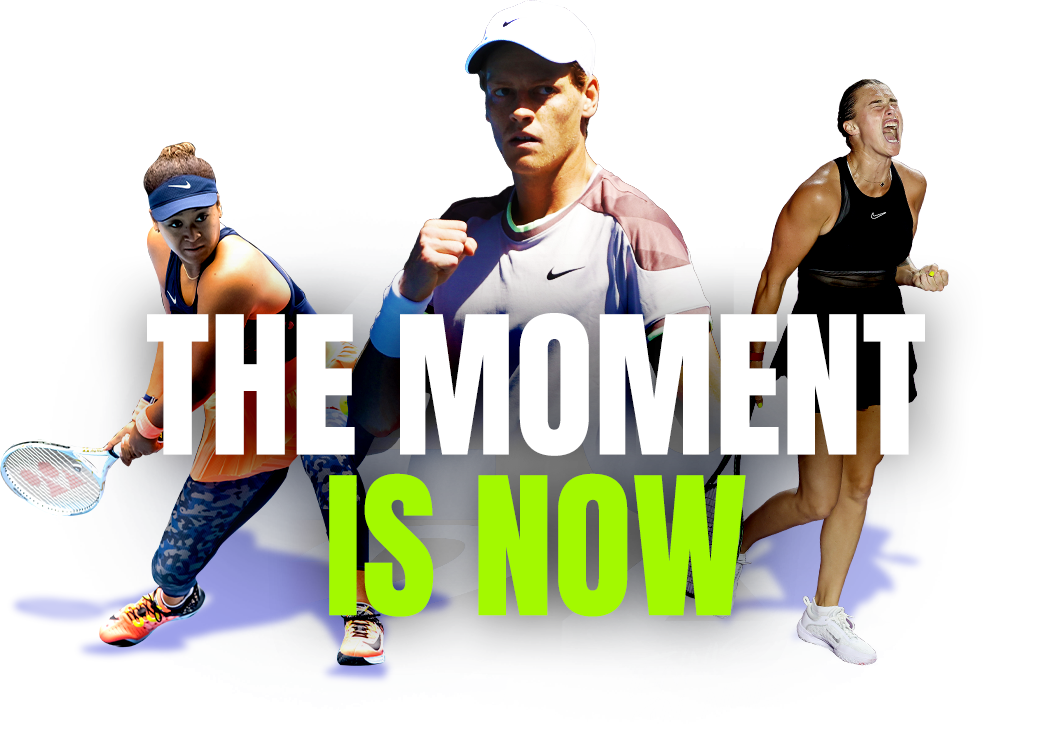
Tennis on Nine in 2024 - The moment is NOW. 

To find out what your brand can achieve with a Tennis on Nine partnership, request a tailored response to help realise your marketing objectives.

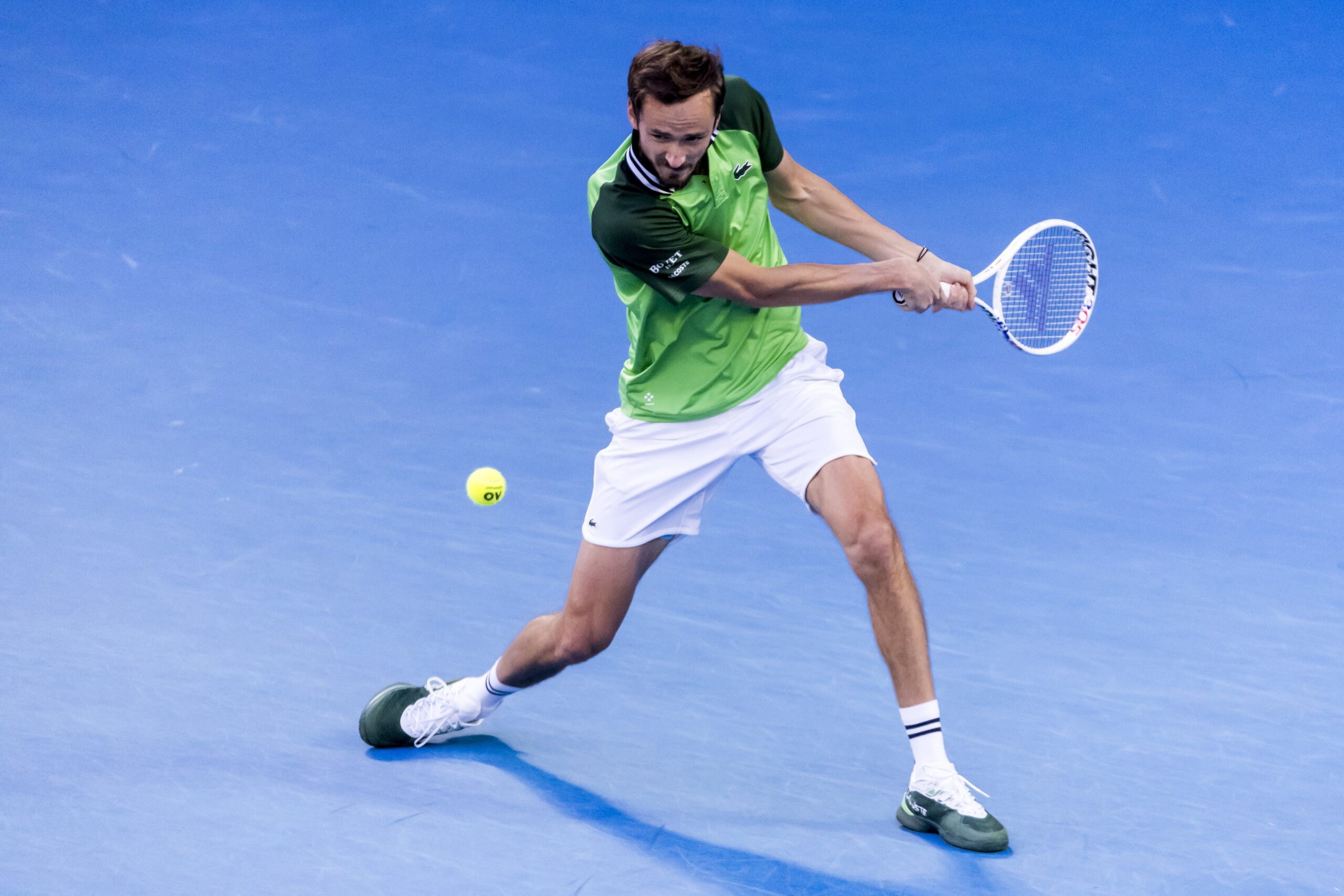
MELBOURNE, VIC - JANUARY 28: Daniil Medvedev of Russia in action during the finals of the 2024 Australian Open on January 28 2024, at Melbourne Park in Melbourne, Australia. (Photo by Jason Heidrich/Icon Sportswire via Getty Images)

A smash hit start for Nine’s biggest year of sport

Breaking new ground in a historic debut, the 15-day Australian Open spectacle hit off for the first time on a Sunday, January 14th 2024. Our team of national and international hosts delivered non-stop action, updates, and news, creating an immersive experience for fans like never before.

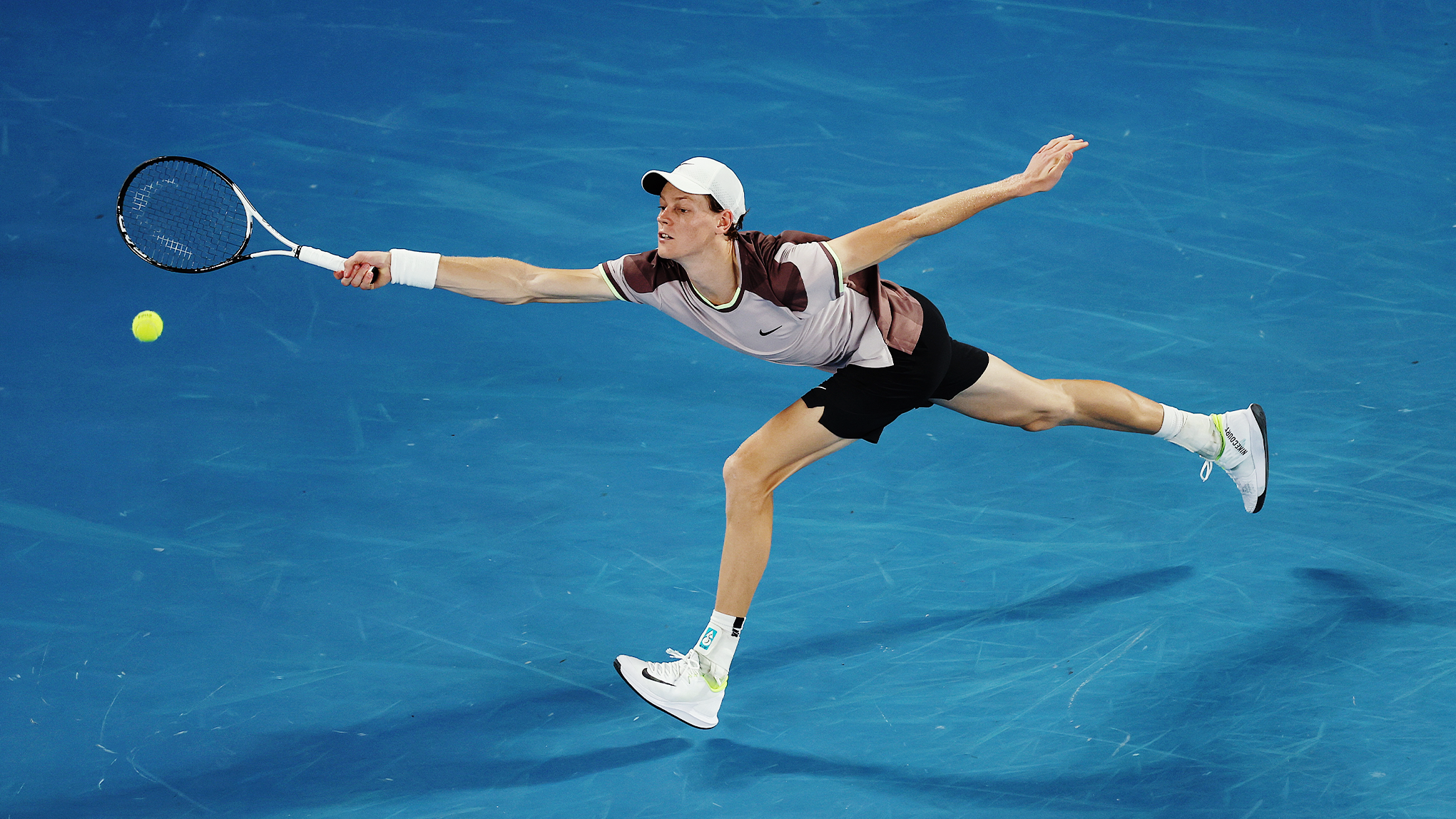
Plus, our leading audio and publishing platforms provided in depth analysis of the games, players and stories that made the tournament tick. Aryna Sabalenka and Jannik Sinner claimed victory as they were crowned winners of the Women's and Men's Final, marking the end of the thrilling 2024 Australian Open

The drama intensifies NOW

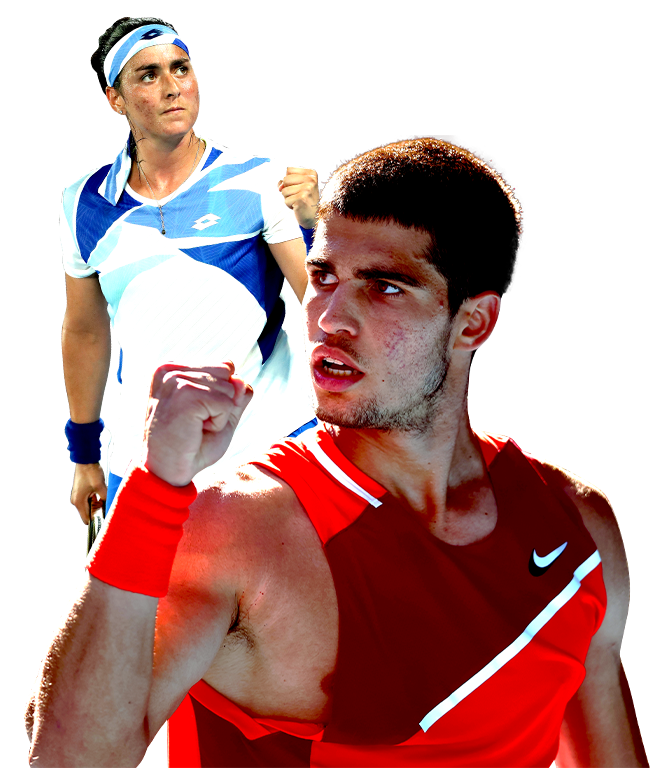
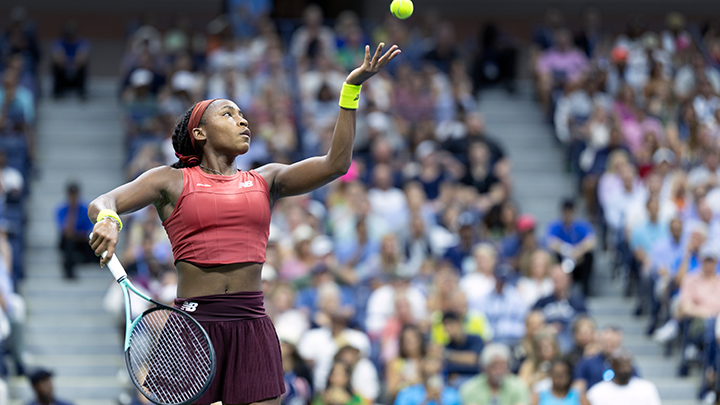
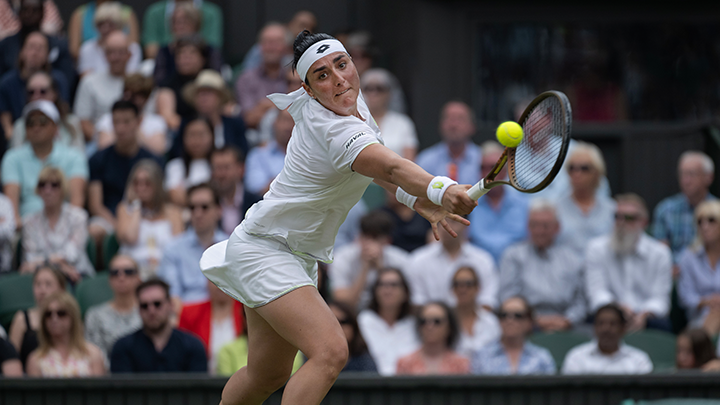
If the history of tennis tells us anything, it’s that there’s always another outstanding generation to redefine the game, delivering an even more exciting competition to watch, with a dynamic mix of creative young players.

That generation is here, and they are dominating now.

TennisPlayers_2
Sinner
USOpen
Wimbledon
FrenchOpen
AustralianOpen_3
Wimbledon_3
Sinner02
FrenchOpen_2

The time is NOW

GrandSlam_Logos_2

Nine is the only place in the country where you can access all four grand slams. 

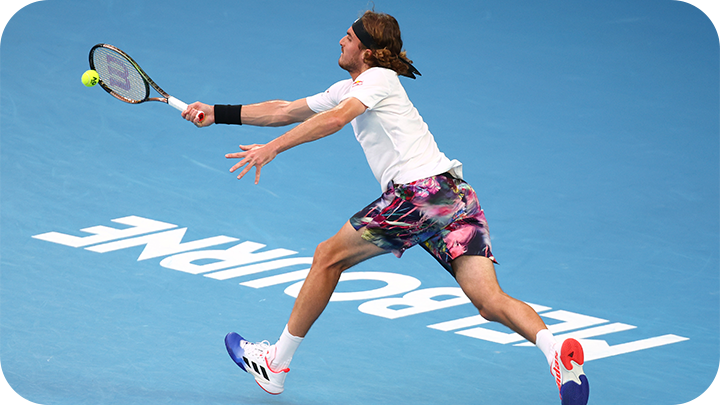
Covering the greatest matches, played on the sport’s grandest stages. From the blue courts of Melbourne's Australian Open, the orange clay of Paris at Roland Garros, to the green grass of Wimbledon and the hard courts of the US Open in New York.

Aussies use multiple touchpoints to consume their tennis content of choice.

The festive and competitive energy of the tennis transcends our broadcast, reaching into every content platform. We ensure, for those tuning in at home, in the car, on their way to work or in a coffee shop, that they get the best seat in the house every time.

Our coverage will keep Aussies up to date with those on the ground, driving the ultimate engagement in your brand story.

Source: Roy Morgan Research; people 14+ for the 12 months ending June 2023.

Nine's total tennis media coverage will reach

92% of Australians

WomanOnPhone

One unified content ecosystem

Tennis_TotalTV

TOTAL TELEVISION

Reach across the tournament

Across our television offering, fans wake up in the morning to the TODAY Show to catch up on Australian Open updates. Staying with us for our morning show, which sets up the day with all the previews, analysis and entertainment. And of course, all the Tennis highlights, in-depth opinion and feature stories are all covered across our weekly panel shows, Cross Court and Sports Sunday.

Tennis_TotalPublishing

TOTAL PUBLISHING

Nine's Digital Network in January 2024

Nine's publishing coverage is where the conversation starts about players' journeys, the evolution of the sport and the wider tennis community. We focus on serving in-depth content to our readers so they can consume a product that goes well beyond the headlines. Digitally we keep our finger on the pulse with live blogs, and beyond the court coverage of key matches from our team of expert writers.

Tennis_TotalAudio

Nine Radio listeners each week

Podcast listeners ​each month​

Our audio proposition is a direct line to the tennis fans of the nation. Every week, we’ll serve up in-depth game analysis with daily tournament coverage and expert commentary from our talent. Nine Radio allows you to create a deeper connection with fans through our live on-ground broadcasts and extend conversations throughout the tournaments. Plus 9News Podcast and WWOS Updates podcast will be sharing daily AO updates over the tournament.

Source: VOZ Data 4.0 © OzTAM Pty Limited [2023], NATIONAL, Network Nine + Affiliates + BVOD, Cumulative Reach, Total TV, Linear TV, BVOD, Total People, P25-54, P18-39, contains "2023 Australian Open", "2023 AO", 16/01/2023-04/02/2023, Con 7, BVOD based on when watched. Source: Roy Morgan Research; people 14+ for the 12 months ending June 2023. GfK Radio Ratings, SMBP Survey 1 2023, Mon-Sun 12MN-12MN, Cume (000s), Nine Radio - 2GB, 3AW, 4BC, 6PR, AP10+Ipsos iris Online Audience Measurement Service January 2024, Age 14+, PC/laptop/smartphone/tablet, Text only, Organisation, Media Report, Audience (000s).

Every media touchpoint, underpinned by Nine's leading data infrastucture

TennisConsumer

Signed-in users

Increase media efficiencies

68 targeting segments across 9 verticals

Australia's

Driving audience enrichment

9Powered_Logo_Heat-(1)

Your moment is NOW

We take great pride in our content expertise to create world-class entertainment for all of Australia. This is underpinned by our marketing solutions team, Powered, which is built specifically to help your brand grab hold of the BIG marketing moments.

What does this mean? We can help with brand or media strategy, consumer insights or maybe even something as specialist as market-mix modelling and econometrics.

You might need a new creative strategy or production of advertising material across TV, Audio, Print, Digital or Social. Or maybe you want to better understand how your brand, your products and your financial expertise can be integrated into our content.

No matter the challenge, Powered have the expertise, all in house.

Alja
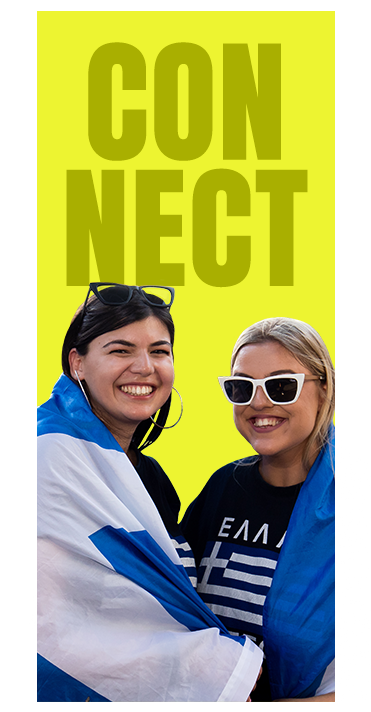
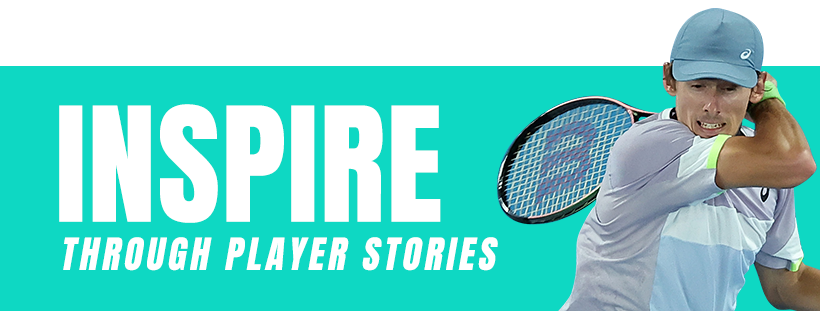
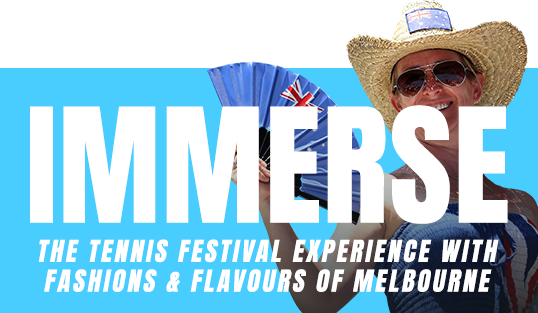
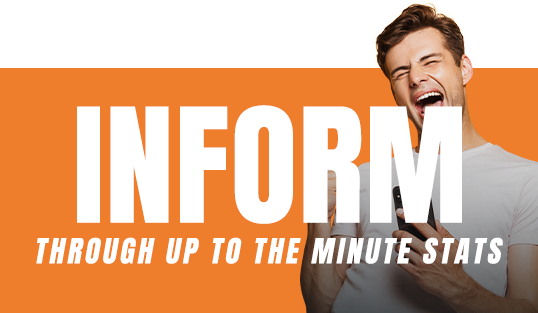
INSPIRE_2
CONNECT_2
IMMERSE_2
INFORM_2
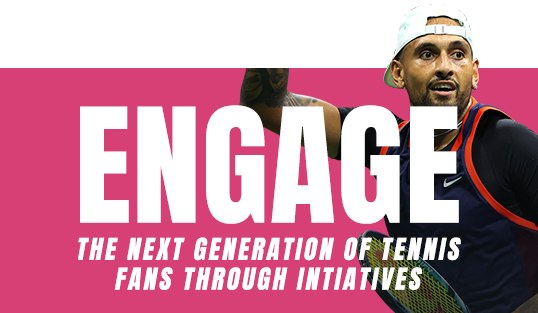
ENGAGE_2

Nine's ecosystem will be chanting tennis all summer long

and your brand can be immersed in every touchpoint, for every audience.

Inspire_3
Connect_5
Immerse_3
Inform_3
Engage_3

Nine's ecosystem will be chanting tennis all summer long

and your brand can be immersed in every touchpoint, for every audience

Harness the power of Tennis on Nine in 2024

For further information, please contact your Nine representative or complete the form, and a member will be in touch.

  • This field is for validation purposes and should be left unchanged.

LEGO® Masters

Logo

A global phenomenon with more creativity than ever before in 2024

The feelgood, family-friendly format LEGO® Masters season 6 returned in 2024, with a burst of brilliant and impressively imaginative builds to make it our best yet. This season, we saw Australia vs. The World on LEGO® Masters with four new Australian teams taking on the four best teams who have previously competed in their homeland. ​​

There were special guest appearances from Australian radio presenter and comedian Michael “Wippa” Wipfli and Jordy Hocking from Lego Masters Season 1. This year the challenges were more demanding than ever. They included LEGO® go kart racing, a spectacular window display challenge, fan favourite Is It Fake? with a parisian twist and celebrating 85 years of Batman.

To find out what your brand can achieve with a LEGO® Masters partnership, request a tailored response to help realise your marketing objectives.

Hamish&Brick

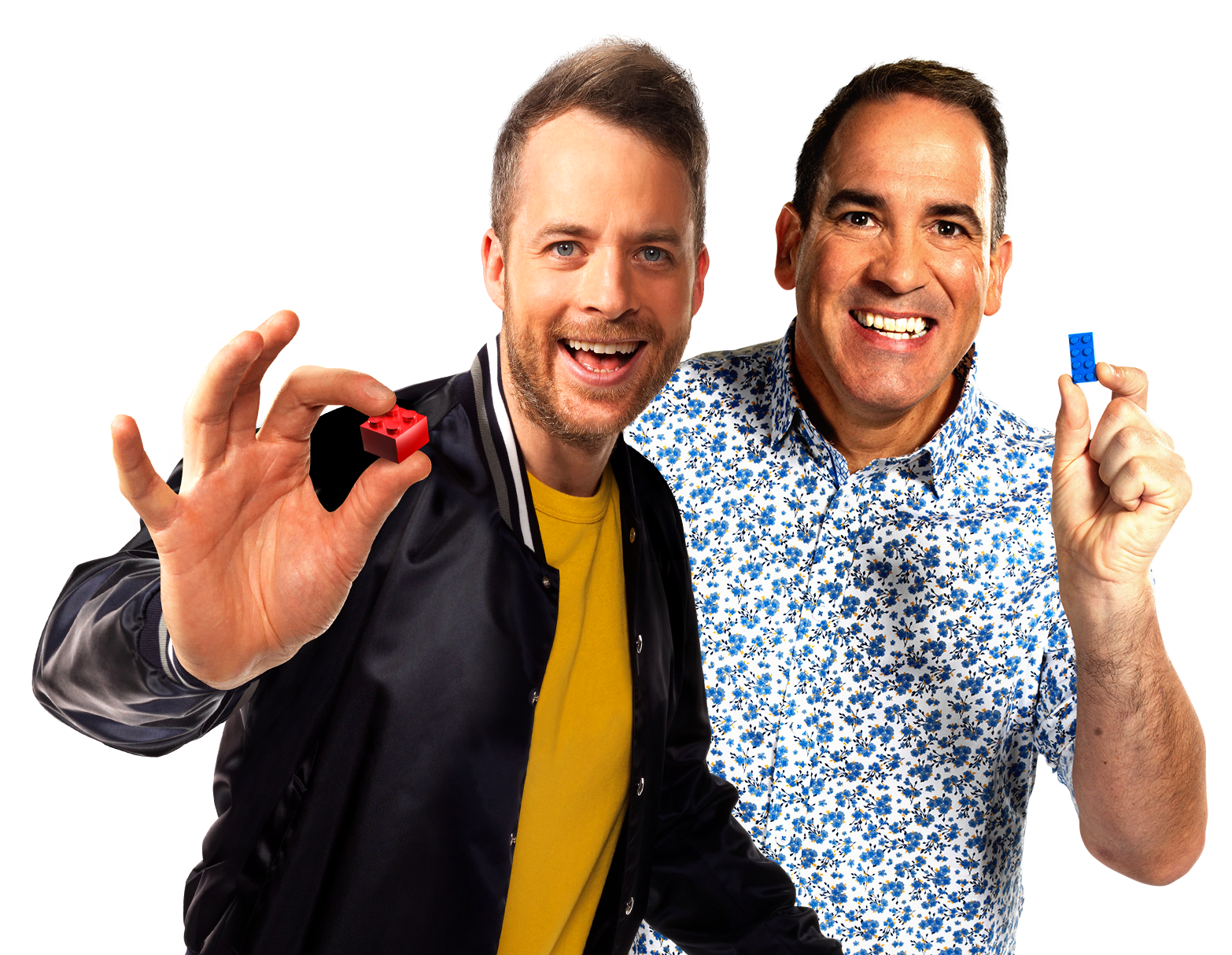
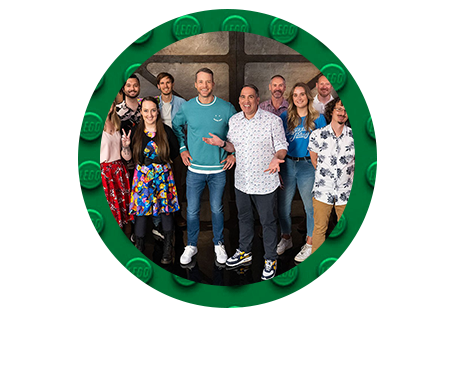
It’s time for host Hamish Blake and resident judge Ryan 'Brickman' McNaught to turn LEGO® Masters 2024 into a global bricktacular. ​

Hamish and Brickman are the total package, a host and judge unlike any other format. Their passion for the competition, the contestants and the builds is electric and infectious.

Audiences will be dazzled by the most amazing challenges the show has ever seen, with teams duelling it out for the chance to WIN $100,000 and be crowned by Hamish and Brickman as the best LEGO® Masters building team in the world.

Hamish&Brick

It’s time for host Hamish Blake and resident judge Ryan “Brickman” McNaught to turn LEGO® Masters 2024 into a 2024 global bricktacular. ​

The feelgood, family-friendly format is returning with a burst of brilliant and impressively imaginative builds to make it our best season yet. Prepare to be dazzled by the most amazing challenges the show has ever seen when our teams duel it out for the chance to win $100,000 and the crowning title of the best LEGO® Masters building team in the world.

TotalTv

LIVE | LIVE STREAMING | ON DEMAND


LegoHead

4.4M

Aussies reached each week
Total TV - SEASON 6

LegoHead

+940K

viewers every episode
Total TV - SEASON 6

LegoHead

3M

live + vod streams

9Now - SEASON 6

Source: TVMAP VOZ Ranking Report, VOZ Data 5.0 © OzTAM Pty Limited [2023], NATIONAL, Network 9, 14/04/2024 -12/05/2024, Average Audience, Lego Masters Australia Vs Rest of the World (Exc Encore), Total TV, Total People, Consolidated 7 (As at 13/05/2024)(BVOD based on When Watched).
Source: TVMAP VOZ Analyser, VOZ Data 5.0 © OzTAM Pty Limited [2023], NATIONAL, Network 9, 14/04/2024 -11/05/2024, Cumulative Reach, Lego Masters Australia Vs Rest of the World, Total TV, Total People, Consolidated 7 (As at 13/05/2024)(BVOD based on When Watched).
OzTAM Live + VOD VPM, Rolling 7 Day Cume, Lego Masters Australia Vs Rest of the World, 14/04/2024 -12/05/2024, includes coviewing on connected tv devices.

MichaelHealy

LEGO® Masters is the show that connects

"LEGO® Masters is a powerhouse brand in a class of its own that connects Australian families. Over the past five seasons, we have built a format that encapsulates the enduring love of Lego, uniting generations as they enter a world of endless, creative possibilities.

Combined with the humour that Hamish Blake brings as host, and the warmth and expertise of Ryan 'Brickman' McNaught, LEGO® Masters is a format perfect for brands wanting to build a connection with viewers."

Michael Healy
Nine’s Director of Television

PostiveBrands

Nine’s brand impact studies conducted by Gemba on behalf of our major LEGO® Masters sponsors over the last 2 years have highlighted that partnering with the show delivers strong lifts in perceptions of trust, fun and innovation. Adding to the already vast amount of evidence that shows how viewers' feelings towards a show halos onto the brands that partner with them. ​

Tursted
Untitled-5
Innovative
Untitled-7

WE KNOW THAT AUSTRALIANS ARE CALLING FOR MORE
AUTHENTIC PORTRAYALS OF OUR COMMUNITY

LegoHead

40%

OF AUSTRALIANS WANT TO SEE BRANDS USE LOCAL TALENT

LegoHead

71%

OF AUSSIES WANT TO SEE MORE HONEST DEPICTIONS IN MEDIA

LegoHead

51%

AUSTRALIAN PARENTS SAY THEY WANT TO GIVE CHILDREN MORE FREEDOM

Source: Nine’s proprietary research | Unboxing Christmas 2022 | Neighbourhood Watch 2021.

UNLIMITED OPPORTUNITIES AVAILABLE​

TO ALIGN YOUR BRAND ​

WITH AUSTRALIA’S MOST IMAGINATIVE FORMAT

Group 15

To find out more about what your brand can achieve with a LEGO® Masters partnership, request a tailored response to help realise your marketing objectives.

Request more information - GENERIC

  • This field is for validation purposes and should be left unchanged.

Mi3 – Effective Advertising

Title

In the second of Mi3’s Fourcast 2021 series in partnership with Nine, McDonald’s Director of Marketing Jo FeeneySaatchi & Saatchi CEO Anthony GregorioBrand Traction Director Jon Bradshaw and Nine Director of Effectiveness Jonathan Fox debate the role of creativity in driving effectiveness and where brand marketers go for 2021.

“I think there needs to be more of a focus on some of the fundamentals, [ensuring ads are] simple, emotional, well branded; making sure that the quality of creative improves over time.”

- Jonathan Fox, Director of Effectiveness, Nine

200722_Nine_Executives_Jonathan_Fox_0314

Rather read than watch?

A full transcript of the interview can be viewed below.

Paul McIntyre: "Welcome to Mi3’s marketing series, Future Fourcast. I’m Paul McIntyre, Executive Editor of Mi3, and this is the second episode in our four-part series, which dives into some of the key themes marketers and the broader industry will need to keep a watch on for 2021. Thanks to Nine for partnering on the series."


"Today we’re going to talk about what’s cool for some and irrelevant for plenty, until they realise it can really jolt business results when it’s done right. We are talking creative and effectiveness. Is the industry too obsessed by media channel and audience shifts between channels and platforms at the expense of the creative work, which actually moves people to buy, or doesn’t because it’s messed up? With us today is Jo Feeney, director of marketing at McDonald’s, Anthony Gregorio, Saatchi and Saatchi CEO, Brand Traction’s Jon Bradshaw, who has worked across Mazda, Diageo, Lion and Virgin in his long career, and Jonathan Fox, director of effectiveness at Nine. Welcome to you all."


Paul McIntyre: "Now I’m going to put all of you on the spot with a quick poll. Is Darrell Lea’s recent parody of the iconic Cadbury gorilla ad effective? For the audience who may not have seen it, Darrell Lea used an orangutan drumming to the beat of George Michael’s track Freedom in a rainforest to promote its noble decision not to use rainforest-busting plantation palm oil, which is destroying, of course, the habitat of orangutans. Jo Feeney, what’s your hunch on this one? Did it work? Is it effective?"

Jo Feeney: "In simple terms, it’s a no from me, Paul. I think they have a really important message that they were trying to get across, so it was almost overshadowed by the fact that it is a parody of a super-iconic piece of creative. I think the branding wasn’t strong, and they could have done a much better job of actually landing the message if they’d done it in their own way, not being a follower of a different brand strategy. I don’t know that the insight linked to what they were trying to do. I think it was asking Aussies to overthink what was probably a really important message for them, or equally a message that maybe not a lot of Australians care as much about. So for those reasons I don’t think it’s super-effective. I think it’s not the first time. I think Darrell Lea tried to imitate other advertising and that’s a bit of a watch-out for them potentially. So it’s a no."

Paul McIntyre: "Thumbs down from Jo Feeney. Jon Bradshaw, what’s your sense on this one?"

Jon Bradshaw: "Slightly reluctant thumbs down from me because I really liked the work, but that’s just a view of the creative idea. I think at an advertising level for most of the reasons Jo was talking about, I’m the same. I think the branding is really light in quite a long ad, and that’s a real problem. I think the message is overly complicated for your laidback in the sofa, scrolling through YouTube viewer, and also chocolates, the most impulsive of the FMCG categories. Really all you’re trying to do is get those distinctive brand assets in the head of someone when they walk into a store. It’s just working too hard unfortunately."

Paul McIntyre: "Anthony Gregorio, what’s your take on this one?"


Anthony Gregorio: "I have to agree with Jo and Jon. I think the message  it delivered, okay, it did it in an engaging way, admittedly mimicking a key competitor. I think if I was advising Darrell Lea, I’d have to say you fouled on the long-term brand effect with this spot. I agree with Jon that I don’t know that consumers wanting to buy chocolate  care that much about these issues in a TV sense, but I would tell them don’t spend money recreating a competitive ad – spend the money on building your own assets and differentiation. So to me it’s a foul on a number of counts."


Paul McIntyre: "Jon Fox?"

Jonathan Fox: "I’m afraid it’s four out of four, Paul. I’ve been spending some time trying to unpack the key elements of creative effectiveness. I’ve landed on three really important things, simple, emotional, and well-branded. And I think all of you guys have touched on that, which is the branding. As Jon mentioned, it comes very late in the ad. It doesn’t necessarily mean putting a logo on everything. You’ve got to have key, distinctive brand assets. So I think there’s a danger of misattribution here, and ultimately you end up growing the category leader, although in this instance it’s not that obvious that it’s confectionery and it’s about chocolate or other confectionery goods. So I think Cadburys is likely to benefit from this."

Paul McIntyre: "Right. So Jo Feeney, you touched on the fact that it wasn’t original and I guess my question is, and I’m the amateur amongst the four of you, do the punters even care if it was not original? Yes, in industry terms and in advertising, we award new thinking, new executions. Do people care that it wasn’t original? And I guess we’ll start there with that question."

Jo Feeney: "I think sometimes we underestimate, and sometimes we overestimate, consumers and how they absorb the advertising. And I think they do when there’s something iconic. I think they think, “Why are you doing that? Why are you replicating another brand so exactly?” I think there’s one way to do that, which is now there aren’t many new or unique insights,  a lot of advertising has potentially shared X insights. Sorry, but it’s the execution  that differs. So in this case, I do think there are a lot of people who would recognise that spot as a reflection and a direct replication of Cadbury. I think that actually makes them look like a real follower and not a leader, and brands have to be careful of that. When you’re replicating or remaking your own work, that’s different. But when it’s a direct take of someone else’s work, it’s a real watch-out for brands. And I think consumers pick up on that."

Paul McIntyre: "The brand purpose of it, the authentic part of trying to do some good stuff for the world and the environment in this case – I recognise that’s a big move for a company like this. You also suggest that it’s not landing, or people don’t necessarily care about that either?"


Jo Feeney: "I think Jon tapped into that – when you’re looking at the product, and it’s an in-house product, and if you’re the only person in the market who hasn’t followed that path, for example. If everyone was removing palm oil and you hadn’t been, absolutely, it’s a real watch-out to make sure you’re doing that. It’s a hygiene factor I think. And I guess you would like to think that they’d done their research. But working in the industry with similar products in some ways, sometimes I think we already overthink what people really pay attention to. Sometimes we overthink what’s going tip them over the edge to buying your product. How many people weren’t buying Darrell Lea because of palm oil? I’m not sure, but I think we sometimes overthink that as well."


Paul McIntyre: "Jon Bradshaw."

Jon Bradshaw: "I’ve thought about familiarity in advertising a lot. It’s one of the most complicated bits. We actually like things are familiar. There is a reason why there’s a hundred Marvel Avengers films, but you’ve got to do it with the other side of that coin, which is really distinctively, so that it’s your version of the familiar. I talk about distinctively familiar and it’s a real challenge. It’s why advertising is difficult, right? Because you want both of those things to lean on things that people can process in a low attention way, but also do it in a way that’s clearly from you, clearly about your product, and clearly in your category. And this ad’s working, using parody, which is a thing we all understand as a mechanism. But it’s making the audience work very hard to understand what the parody is, and why it should be funny, and how that connects to chocolate, and how that connects to Darrell Lea in particular."

Paul McIntyre: "Anthony Gregorio, you’re the CEO of a creative agency. You like originality, and it’s historically what ad agencies do, it’s got to be big ideas that are brand new. To my earlier question, do the punters care that it’s not original? It’s important for you and your industry, but to the punters?"

Anthony Gregorio: "I think it’s less a question about originality and what works for the brand. I suspect that some of the people that may have watched that ad could have taken that message out for their competitor. Like,  Cadbury are no longer using palm oil because it was such a well-known ad for a segment of the audience that would remember it. Parodies are a legitimate technique to use, and we’ve used it in the past for clients. But ultimately the fundamental tenet of creating a brand and creating preference for a brand is creating differentiation for that brand to your key competitors."

Paul McIntyre: "Well, if you pardon the pun, there’s our sugar-hit conversation. We’ll move on. Jo Feeney, you’ve been judging the advertising council’s effectiveness awards of late. What are some of the key observations you’ve made so far on the entries and this broader conversation we’re having about creative effectiveness?"


Jo Feeney: "It’s been a real pleasure to be able to judge some of those awards and see some of the great work that’s out there in the industry. For me personally it was such a reminder that you don’t need shiny new things to be able to shape and shift a brand and drive growth. I think  too often we think we have to have a brand new product or something that’s different to drive growth. It was a great reminder, certainly from a long-term effectiveness point of view, that we don’t need some of those things. What we do need is great advertising, a great insight, and things that really resonate with consumers, that connect with them. So what I saw, and the best work we saw, was that which was born out of a real truth, a real human truth, and executed in a great way that drove that impact, relevance and emotion. Emotion is such a big part of some of those longer-term pieces that drives the effectiveness."


Paul McIntyre: "Jo, I think you’ve done some econometric work at McDonald’s which says maybe 50 per cent of the effectiveness of a media channel is the creative. Is that the number we’re looking at?"

Jo Feeney: "Absolutely. It could even be a little bit more on the creative side. My media manager at the time said, “What? What creative has got more to play in?” When you think about ROMS and ROI, etcetera, and the creative component of that is significant. From a McDonald’s point of view, I’m part of a global creative council team, and we’ve been talking about this for the last couple of years, how do we make our work far more effective from a creative point of view. Creative excellence is a topic that’s critical for us,  something we’ve been working on to build. How do we make sure our work is more creatively excellent, so that it gives us a much better return more broadly? So absolutely, creative plays a far bigger part, dare I say it, then even the media component, which I think is a new level of understanding for a lot of people."

Paul McIntyre: "Well, it would. It’s going to smash a whole bunch of perceptions about how things work. Jon Bradshaw, is there too much of an obsession by industry about media channel and audience trends versus creative and impact? And why is that? Is it the same for marketers and or is marketers as guilty as the rest of us for that?"

Jon Bradshaw: "The answer is both, because of course the answer is both, right? And there’s other work that echoes exactly what Jo is saying, about half is to do with the creative itself and the other half is where you put it. And to a surprisingly little amount, the brand that’s being advertised in the first place. Big brands advertising works harder because they’re big brands. That’s just a slightly sad truth. But yeah, I think we are obsessed as an industry with media. We on the Mi3 podcast have talked more about media than anything else in the last 18 months, two years, so we’re guilty of perpetuating the obsessive interrogation of the complexity that is media. And it is only half of the advertising equation at least. It’s like it’s refreshing to be here to be less than in different."


Paul McIntyre: "Anthony Gregorio, you’ve got some very well known brands in your portfolio, Arnott’s , St George Bank and Toyota to name a few. Where are they at in their thinking around creative and what's been happening for them through COVID? What’s been the conversation there?"


Anthony Gregorio: "They’re all doubling down, for one of the better ways of putting it, around creating not just short-term but long-term campaigns. And I think as Jo and Jon have mentioned, creative is about half the effect. But actually when you get creative right, it has much more than just half the impact. It can have a huge multiplier effect. One of the great things about the conversation is that there’s a ream of evidence from great academics, Peter Field, Les Binet and others, that proves that when you get a campaign right, if a campaign is highly awarded, one of the stats is that it’s eight times more likely to drive a general business result over lesser rewarded campaigns, and 16 times more likely to drive greater profitability for a brand. That’s data you can’t afford to ignore as a marketer. And smart marketers obviously don’t ignore that."

Anthony Gregorio: "So I think the other thing that is unusual for this time, and actually a great opportunity, is that it’s all about share at the moment. If you’re in a category that’s facing some declines, share is  crucial. And you’re never going to get a better time when competitors might be distracted, competitors might not be spending as much, they might not be focused on brand building, and these are the things that, if you can focus on the job at hand, you can really drive an advantage in the marketplace."

Paul McIntyre: "Are you having those conversations? Are they landing with your clients?"

Anthony Gregorio: "Absolutely. And it’s tough because there’s always competing agendas in organisations. But I think the brands you mentioned all have incredibly strong marketing functions and smart marketers who have a seat at the table, and can argue their point well."

Paul McIntyre: "So Jonathan Fox, back to the media conversation. You’re in the hot seat now because you’re in a media company with a creative effectiveness remit. How was that working? What are the conversations you’re having with the market around that?"

Jonathan Fox: "I view my role as an in-house consultant, advising brands on how to effectively advertise, making sure they really nail those fundamentals around simple, emotional, well-branded. And then if I think about, I sit within  Powered, Nine’s marketing solutions division, and they have the goal of creating big ideas that make advertising famous. And when I think about fame, it’s not necessarily awards, which are great and good recognition, not fame amongst the marketing community, but fame amongst consumers by having those really big, bold ideas."


Jonathan Fox: "Nine recently announced at their Upfront the State of Originality, which is a very exciting new call to arms amongst the creative community, to make sure that people are willing to take a bit more risk and try and almost create Australia’s own version of say the Super Bowl or the Christmas ads in the UK, to create those really big famous advertising events. So Nine are giving away a million dollars worth of advertising across TV, radio, publishing and digital. And that will be based on the winner of the most creative ad that will be aired within State of Origin in 2021."


Paul McIntyre: "So what does that do for you? You’re going to go for that million bucks? Any interest? And what do you make of it by the way?"

Anthony Gregorio: "I think anything that stimulates the opportunity to create great work is a good initiative.  We’ll certainly talk to our clients about spots that might go well."

Paul McIntyre: "I’m personally thinking of doing something myself, because I’m quite creative, and I’ll give the million dollars to charity or whatever it is. But listen, Jon Fox, what else is on the effective  horizon for you? I think there’s some interesting stuff that came out from Professor Karen Nelson Field in the last week around attention, I think that’s got your attention. What do you make of that? In a creative context as well."

Jonathan Fox: "Really exciting stuff. I’ve been following what Karen has been doing for a while. A new attention, active attention metric. Trying to move from buying an opportunity to actually buying someone’s attention. And I think that could create a step change to provide that accountability for planners to start realising the right channels to really gauge or to gain a consumer’s attention."

Jonathan Fox: "I think to link that back into the creative it will be interesting to see how the quality of the creative starts to impact on attention, because intuitively we know the ads that start with a bit of a bang and capture your attention should be more effective. It’d be really interesting to see that link between creative and attention."

Paul McIntyre: "Jo Feeney, what’s been your focus at Macca’s through COVID around creative and messaging? And what does that look like in the next 12 months? I think you’re definitely a fan of what has been talked about here before, Peter Field and Les Binet work on short-form retail style ads versus long-term investment branding. What’s been happening with you and where’s the investment mix  going?"


Jo Feeney: "I am a big Liz and Peter fan. I think Anthony touched on that previously as well. And I think what we’ve seen through COVID in particular, we all know we’re feeling beings, that’s the heart of who we are. And I think where we focused is leaning into that from a brand point of view. So we’ve leaned into our brand proposition in a bigger way. What we’ve seen is a shift in some of the other more retail-focused work that we’ve done. I talked a little bit before about tonality, and I think just being aware of how consumers are feeling. Not shifting to the point where you’re actually saying, “Hey, it’s COVID times and therefore we’re doing this.” I think it’s just being cognisant of what you need to be telling people and how you need to be making them feel."


Jo Feeney: "We’ve been very importantly focused on reassurance and trust, building those trust messages and making people feel safe during this time. So we built some work around that. We’ve seen our trust scores go up during this time. Shares we talked about is critical. So making sure that we’re investing in the right way from a media point of view has also been really important. All of those things combined is how we focused."

Jo Feeney : "And it’s not about changing your strategy, it’s about making sure your strategy is still on the right course. I think we’ve seen things accelerate because of COVID. So far bigger investment in digital channels, just because of the way we’ve had to interact with consumers. And I don’t see that changing, I think that will continue to accelerate, the growth and delivery platforms, etcetera. Three years have come into one and we’ve accelerated in a big way. So I think just leaning into the right things, but making sure that the work you’re doing is connecting with the consumer."

Paul McIntyre: "Jo, give us an example.  of what temptation you’ve had to resist in terms of the tonality and creative execution. Where could you have gone, but didn’t? And then how does the creative look?"


Jo Feeney: "An example is our brand, sorry, our value work, where our platform was the song I Need a Dollar, a famous Aloe Blacc track. We reassessed and thought  is that the right message to be giving people during this time, where people are struggling and there’s a lot of hardship? So we adjusted that and we have continued to do that during COVID. We’ve actually seen a really positive response to that, which is one example of how we’ve pivoted. And the longer-term focus on our brand work over the last couple of years, seeing a compounding impact on the creative effectiveness of our retail work. So I guess leading perfectly into the long and short of it, as Liz and Peter would talk to, it’s really coming true for us as a business."


Paul McIntyre: "Anthony, how are your blue chip clients viewing the next 12 months? Are they the preparing for more activity in the market? And you’ve sort of touched on it, but how forward are they getting? How aggressive?"

Anthony Gregorio: "I think all our big clients are now in a recovery mindset and they are exactly like Jo   at McDonald’s, focusing on short and long-term and not one at the expense of the other. It’s a funny quote, but I think it was a guy called Hugh Jonson at PepsiCo who said, “Any idiot can do short-term and any idiot can do long-term. The trick is doing both.” That is really what Macca’s is doing, what the likes of Toyota and Westpac group and Arnott’s some of our other clients are doing, because if you take your eye off that ball you’re going to suffer, whether it’s short-term or long-term. Our job as marketers is to ensure that a business doesn’t get into that position."

Paul McIntyre: "Jon Bradshaw, what’s your hunch? And what happens in the next 12 months on the creative front, more of the same, or will we get better or worse? And what are  the conversations you’re having with brands?"

Jon Bradshaw: "Look, I think we’re getting better, but I think we’re getting better slowly, and this room is a fabulous confirmation. Advice from people all agreed on the same stuff who have read the right books and have thought the right thoughts. We’re not normal, this is not what [crosstalk 00:23:35] talked about or looks like. So I’m really conscious that I can’t get out of my bubble to find out what the real world’s really like, but I am seeing more people talking about Lez and Peter’s work, Byron Sharp’s work, Mark Ritson continuing to stir the pot in an appropriate kind of way that at least gets people engaging with these concepts."

Jon Bradshaw: "So I would hope we’d see improvement, but I’m not expecting anything dramatic. For a marketer, it’s such a small amount of their job, the advertising bit, for most marketers, and yet when you come to do it, it’s a huge amount of the budget that you’re playing with. The fear of mucking that up is enormous, so the market is hyper-cautious."


Jon Bradshaw: "My experience of a large percentage of the creative community, present company excepted, is that they really care about the famous and the motive bit of it, but less about the branding and the message bit of it. And the clients, the reverse. They’re obsessing about whether the message is exactly right, and getting the brand in the right place, and missing the fact that if the thing is interesting and engaging, then it’s not going to work in the first week. And all of these forces are pushing against what is happening, which is that most people go, “Oh, hang on. This is a bit more complicated than I thought it was. And we need to think about it a bit harder, and we need more subtlety and thought in the way we do this thing.” So I’m seeing improvement, but I think it’s a long road, not a fast transformation."


Paul McIntyre: "Jo Feeney, fair points there?"

Jo Feeney: "A hundred per cent. I’m nodding furiously because I couldn’t agree with Jon more. I think when you look at an ad and it’s amazing, no one thinks about the work and the thought and the strategy that goes into actually building that great creative. So I couldn’t agree more.?

Paul McIntyre: "That’s it for our second edition in the Forecast 2021 series. We’ll have another in two weeks, so stay tuned. Thank you, Jo, Jon Bradshaw, Anthony, and Jon Fox. You’ve got a big job to do cracking this message into the media and media sector. So good luck with that and stay safe. Thank you."


For further information, contact your Nine representative, or complete the form below. A member of the team will be in touch.

Under the hood of Nine and Adobe’s data partnership

Nine recently launched its new Audience Match product, in partnership with leading technology company Adobe, that allows marketers to unlock Nine’s ecosystem of more than 13 million signed-in users.

Audience Match is designed to enable Nine to help brands in activating people-based audiences across all of our properties, with Coles signing on as the launch partner.

In recent weeks, a number of senior marketers have wanted more information about the partnership and the opportunities it unlocks within Nine’s rich, brand-safe content environment.

In this video, Adobe’s Suzanne Steele, Coles’ Lisa Ronson, OMD’s Melissa Hey and Nine’s Michael Stephenson sit down with Mi3’s Paul McIntyre to discuss both the opportunity in Nine and Adobe’s audience-matching product and more broadly the opportunity that exists through a move to a more people-based marketing approach.

Rather read than watch? A full transcript of the interview can be viewed below.

Paul McIntyre, Executive Editor, Mi3: “Welcome to Mi3’s new marketing series, Future Forecast. This four-part series will deep dive into some of the key themes marketers and the broader industry will need to keep a watch on for 2021. Thanks to Nine for partnering on the series.

‘Today we're going to talk about what most companies and marketers are moving on at light speed, particularly through COVID: that’s data, digital transformation, customer experience and targeting. And we’ll get to that hot topic of a post-cookie world too. With us today is Lisa Ronson, CMO at Coles, who among other things recently entered the era of the printed supermarket catalogue. A massive move in my mind. We’ll hear from Lisa on that and where she sees broader digital transformation headed at Coles. We also have Adobe’s managing director, Suzanne Steele, Nine’s chief sales officer, Michael Stephenson, and OMD national chief investment officer Melissa Hey. Welcome to you all. Let’s get straight to it.

“Lisa Ronson, you’ve made a couple of big calls of late that I’m aware of, at least. You dropped printed catalogues and you were the first company to sign up to this new alliance between Nine and Adobe on people-based marketing. Just give us a sense on what’s happening at Coles when you say digital transformation.

Lisa Ronson, Chief Marketing Officer, Coles: “Well Paul, it’s all about having a very clear purpose and that’s to sustainably feed all Australians so they can live healthier and happier lives. So, a key part of that is serving up to them the content, when they need it and what they need. And it varies during different parts of the day, different seasons. So, this is really for us all about better targeting, more personalisation and serving the right content to the right customer at the right time.”

Paul McIntyre: “How long, Lisa, have you been on that journey? You’ve been at Coles for how long, and has it started before then? But what’s been the timeline on that?”

Lisa Ronson: “I’ve been at Coles now for 18 months and the transformation started before I joined. But it’s safe to say like a lot of organisations, with what’s been going on in the world for the last nine months, digital adoption has been at light speed. And so we know that our customers are engaging with digital channels more than they ever have been before, and Suzanne can probably talk to the stats on that, she would see it, and also Michael. And so we’ve probably fast-tracked a lot of the decisions we would have made in time – we’ve just made them at a different pace.”

Paul McIntyre: “And what are the key areas of focus for you that fast-tracked, Lisa? What areas have been on your radar?”

Lisa Ronson: “Well, you talked about the catalogue. We’ve been printing a catalogue for 50 or more years and walking it to letter boxes around Australia, and we’ve stopped doing that. We still have printed catalogues available in store if our customers need them. But we found that our customers were really engaging with both specials and value and also wanting to get a bit of inspiration as well. So we’ve moved from just talking about price on its own. We talk about solutions now. So price is so important to customers and that will continue. But what we’re trying to do is provide the right content that provides really great value for our customers, and the inspiration that they want for dinner and what they’re going to cook tonight and at the weekends.”

Paul McIntyre: “So, Suzanne Steele, digital transformation and customer experience is part of Adobe’s big mantra in the market. What have you seen happening in the past six months with companies through COVID? What are they doing? And I guess, what are the hotspots in digital transformation that you’ve seen in the last six months?”

Suzanne Steele: “Thanks, Paul. I think what we’re seeing is really organisations who were somewhere on their digital transformation journey are the companies and businesses that have truly proved to be much more resilient during this time. And we’ve seen projects being delivered in light speed that in the past would have taken 18 months or two to three years.

I can give you some examples of that. Obviously grocery retailers like Coles are big customers of Adobe as are all of the big banks. But for other organisations that really have stepped it up, take Petbarn, for example. They moved to all of their stores having to become distribution centres more or less overnight at the beginning of COVID. And they saw online sales go up by 43 per cent. They put in place their experience-driven commerce solution and it paid for itself within two weeks.”

Paul McIntyre: “How quickly did they move on that? And I guess they’ve used Adobe for that roll out?”

Suzanne Steele: “Yes, they did use Adobe. We were already working with them with Experience Cloud, but the eCommerce solution was fairly new. So that was stood up within six weeks.”

Paul McIntyre: “And other examples, Suzanne, more broadly these hot spots. Are there similar initiatives like Petbarn that a lot of others have been doing?”

Suzanne Steele: “Yeah. Certainly experience-driven commerce is where it’s at. Another example of that is 99 Bikes. They saw record sales in April of 2020 when we couldn’t do very much except one-hour exercise. So they were selling as many as 1500 bikes a day and their revenue in April reached 3.1 million, which was more than double the previous December. And December is typically their biggest sales month. So real innovation from customers.”

Paul McIntyre: “Is that across the board? Large blue-chip companies doing this, as well as small and medium-sized enterprises? And what’s the different response? Are they doing it differently according to company size?”

Suzanne Steele: “I think everybody who needed to move to have a digital front door moved really quickly if they hadn’t already done it. And to be honest, that is across the board, other than those companies who went into hibernation, and we know who they are. Even the New South Wales Department of Education, who had been on a digital transformation journey for 13 months leading up to the bushfires and COVID, migrated 2,200 school websites over a period of 13 months. It was a huge lift for them. They were able to then broadcast closure alerts during the bushfires and also during COVID. So it is really across all segments.

Paul McIntyre: “It’s fascinating to start to see in retrospect how companies and organisations are rolling it out. Lisa let’s get to those big moves you’ve made around catalogues and then the Nine Adobe licence. How hard was it to make that call on eliminating the printed catalogue? And why were you first on this people- based marketing initiative.

“For those that are not aware, Nine is putting about 13 million registered users across TV, newspaper or news media and radio assets into Adobe's data set. It’ll allow blue-chip marketers, at least like banks and retailers, telcos and eCommerce operations to load their customer databases into Adobe Audience Manager and experience platforms to target and personalise communications in premium content environments, like they do already with Facebook and Google. But first Lisa again. How big was that call to make on catalogue? Was there a lot of debate internally?”

Lisa Ronson: “Like any big decision in an organization there’s a lot of debate. But one of our values is to be completely customer-obsessed. So the insights we got from our customers were that their preference was to engage with us digitally so they could get that content and the solutions they were looking for. And now they can go onto our digital catalogue, we’ve got a contents page, they can pick what they want to go to and look for. It’s actually easier to engage digitally than it is to sometimes leaf through the whole paper catalogue. But they’re still available in store. We have stopped printing millions of catalogues per week that we’re not walking to letter boxes. Because we found that most households were preferring to use digital channels rather than their traditional channels. And so we just pivoted to cater to that customer need and desire. When you’re making decisions on the basis of the customer it’s not that difficult.”

Paul McIntyre: “Well, it’s interesting. I mean the risk to the randomness sometimes of discovery in the catalogue, even my 13-year-old will go through a printed catalogue and discover that there’s some sort of device he wants, and then the lobbying starts. That sort of discovery process though is obviously a small part of how people consume catalogues or look for what they want.”

Lisa Ronson: “Given the age of your son, Paul, he’ll probably find that discovery digitally anyway. So you’re not off the hook. Sorry about that.”

Paul McIntyre: “Thanks for the tip.”

Lisa Ronson: “We just want to engage with our customers in the channels and the way they want to be engaged. And you asked about the Nine-Adobe partnership. It was an extension of a partnership. We’ve had a longstanding partnership with Nine and Adobe, so it’s really about being effective per personalisation. And this gives us that effective personalisation at scale. Given that we cater to the majority of the Australian market, that scale is really important to us. So for us, with customer insights and being customer-focused, it was a no-brainer.”

Paul McIntyre: “Melissa, you work with Coles on this and it’s brought a media strategy. What’s your take on the Nine-Adobe initiative and what it means for brands more broadly? Are we going to see more of these sorts of initiatives and moves?”

Melissa Hey, National Head of Trading, OMD: “I think it’s a great opportunity for all of our clients. It’s something new in market. And I guess the opportunity with the scale and getting into premium Australian content is where the interest lies. We haven’t previously had that opportunity with YouTube and Facebook. Also, you’re not sure on the safety side of it as well. So there’s also the brand safety aspect as well on the premium content. There’s a lot of interest from clients.

“I think how they use it though will be very different. It depends on where each client is that on their digital transformation. And I must say it’s actually not just the digital transformation. I think it’ a journey because we’ve just seen over these last eight months that people are having to change and adopt very quickly. I think that’s going to be a continuation and we’ll be seeing a lot of clients adapting and changing. And it’s not just a once sort of ‘set and forget’, it’s a continuing updating that roadmap for your digital ecosystem.”

Paul McIntyre: “The interest in clients, Mel, across the board on what Nine has done. Has it triggered some broader interest as to how they use people-based marketing? Beyond what we see with wall gardens and Google and Facebook?”

Melissa Hey: “Yeah, there’s interest in wanting to understand how it can work. I think that’s the biggest point that we’ve seen, and a lot of inquiries coming in from clients, how they can use it. Each one will adapt differently. Because at the moment it’s still at scale, but it’s not necessarily one-to-one marketing. It’s still quite broad, but it is addressable, so it’s really important. And each client is going to probably use it differently, but they still have to understand all the elements that are available for them. We take each client on an individual basis.”

Paul McIntyre: “Lisa, give us a sense of how you’re going to use this Adobe-Nine match-up and in what areas, what ways?”

Lisa Ronson: “Well, as I said before, we’ve got such great, rich content that our customers are really looking for. So, for us, using the partnership is all about the greater personalisation, using the data that Nine have across their broader audience so we can get those messages and that content out to our customers when they need it and when they are looking for it. It’s our strategy of right customer, right message, right time. And this just helps us do that. We are constantly looking for ways that we can better target and provide better service to our customers and this is just one part of our overall marketing strategy to do that.”

Paul McIntyre: “Mel, you mentioned it’s an opportunity for clients around premium content. We haven’t seen this before. What’s the sense on benchmarking Google and Facebook against the premium content player like Nine? What are your expectations around the effectiveness of this and the difference in performance?”

Melissa Hey: “This is the really exciting part I think for clients, to be able to start to really see the engagement levels, because we’ve always predicted that premium content does provide higher engagement. Having this opportunity now, we can do some testing to actually confirm that and get the insights, especially with what’s being talked about in the market today around engagement, and not every viewing is equal. So I think this is a really good opportunity for clients to test that theory.”

Paul McIntyre: “What has been the reaction from the market so far? It’s still early days.”

Michael Stephenson, Nine’s Chief Sales Officer: “I think people are still getting their heads around it because what we’ve created alongside Suzanne and Adobe is actually quite simple. What we do know is that people-based marketing and addressability are critical for advertisers, they’re big emerging themes. They will be critical to short, medium and long-term business growth. And at Nine, that’s what we're all about. How can we partner with the likes of Adobe and others to deliver better business outcomes for clients?

“So as a result of that, the incoming poster announcement at our Upfronts just on two weeks ago has been quite overwhelming. What brands are realising is that this is actually quite easy to do. If you’re an Adobe Audience Manager customer, you can simply upload your data segments and your audiences into the platform and match them with ours, you can activate via an email, and it can be up and running within 24 hours. Then you’ll continue to transact and buy those audiences the same way that you do today using Facebook and Google. There’s an amazing part of the process which brings a big smile to my face. Would I like to choose Facebook, Google or Nine, sitting within the platform that makes buying our audiences in our premium environments very, very easy?”

Paul McIntyre: “Well, to Mel’s point, it does for the first time put a premium content company up against Google and Facebook to test effectiveness. How do you think you’ll go?”

Michael Stephenson: “I think really, really well. We have proven at an industry level through Think TV, the power of advertising on television and the combination of linear TV and BVOD. Of course, BVOD brings together the very best of television with the very best of digital. And what we’ve been able to do or what we’ve enabled advertisers to be able to do with the Adobe partnership is not target at scale within that premium BVOD environment to start with. Then into the first quarter of next year we’ll roll that out across our broader digital ecosystem. But I think this is kind of next evolution of people-based marketing to deliver better outcomes for brands. And I’m positive that brands advertising in an environment where consumers are more engaged, deeply connected to the content, will deliver business outcomes. Nine are committed to working with brands to make that happen.”

Paul McIntyre: “Mel, what’s your hunch on how this is going to go? And how will someone choose Facebook and Google over Nine or vice versa? What's your sense there?”

Melissa Hey: “I think it will depend on the campaign, but we’d need to test it as well. It’s a massive opportunity. The definite positive is the brand safety. At the moment, we have a lot of discussion in market on social channels around what is happening and how do you actually manage that. So you’ve got brand safety brand suitability, and the responsibility as well of where you want to be. So it really does benefit Nine in that premium content, having it there as a first choice, because you are assured of brand safety and the security around it.”

Paul McIntyre: “The great argument with traditional media companies is reach. And now we’re starting to get to some personalisation. Does that affect even how media agencies think and operate, and plan reach and personalisation? It gets a whole lot more targeted, doesn’t it?”

Melissa Hey: “Definitely. Reach is always going to play a big role. It’s actually about reaching, and we’ve mentioned that Nine has the scale there with 13 million users to be able to compete with YouTube and Facebook. Because usually you go there for the next reach step, to get the consumer-centric or the personalisation message out there.”

Paul McIntyre: “Lisa, the budget allocations for how you execute on this now when you’ve got big reach, big mass brand campaigns and personalisation. Does it affect how you allocate your budgets in the next 12 months, two years, that whole scenario?”

Lisa Ronson: “Absolutely. We’re constantly iterating how we spend our budget because we want to be customer-centric. People based marketing will force brands to be more customer-centric and think about how their above the line or long-term communications work with their below the line, short-term communications. And I don’t think that’s a bad thing at all. I think the mix will constantly iterate and change. It depends on time of the year as well, what people are doing at the time, whether they’re out and about or at home. Customer-based marketing and people-based marketing will force us to become more customer-centric and that’s always a good thing.

Paul McIntyre: “Finally, a wrap-up for this whole white-hot theme around the end of cookies in the digital world and a move to people-based marketing. What could it look like in two years’ time, Lisa, that whole notion of being post-cookies and people-based?”

Lisa Ronson: “I think it’s more conversations around customer centricity. Brands are really focused on their own first-party data, how they can build better connections and better loyalty with their customers. And I think we saw that in the EU post-GDPR. A lot of brands went to their own first-party data, what they knew about their customers to better service their customers. So again, it’s all about customer centricity, being more targeted and delivering the content that our customers are looking for at the right time.”

Paul McIntyre: “Suzanne, I guess this is in your sweet spot too, between cookies and people-based, and it’s where Adobe is headed or is. What’s your sense of what companies are going to be doing in the next 12 months, two years in this whole area?”

Suzanne Steele: “I think data is king and content is queen. And I think as consumers, their having frictionless customer experiences is going to be the answer. I absolutely that receiving relevant and timely content that’s non-invasive is what customers are expecting now.”

Paul McIntyre: “It’s a big change though, Suzanne, because the industry is built essentially on an infrastructure of cookies in the digital scene. There must be some very quick moving going on about what the hell we do now. Are seeing that?”

Suzanne Steele: “Yeah, we are. Adobe has been planning for this for quite some time. That’s why innovations like custom destinations that we’re doing with Nine have been fast-tracked.”

Paul McIntyre: “Mel, again for media agencies and digital, the whole industry has been based on cookies. What does people-based mean for you, your company, and also the industry? It’ll be quite a radical change. I guess there’s a lot of smoking tyres.”

Melissa Hey: “I think so, but we've been planning for this for a while too. I think all marketers have been looking to be able to do personalisation and be more targeted to get engagement. The marks become so fragmented that engagement is key. So everybody, and I would say the majority of clients, have been working on their first-party data to ensure that they can do personalisation. So whilst it’s coming quickly, cookies being taken out, I think clients are getting prepared and have been for a while, because they wanted to move into the space of personalisation and ensuring engagement with their customers.”

Paul McIntyre: “So, Michael. Suzanne said data’s king, content’s queen. What does it say to you for Nine in terms of cookies and people-based? You’re clearly moving there, but what’s the big picture?”
Michael Stephenson: “At Nine we are a content, data and technology company, and it’s in that order. So I would say content is king and data is queen. But the two of them are clearly very important in terms of how they must work together. In February 2016, we launched Nine Now and asked consumers to sign into that platform. So we have also been building towards this point for just on four years, and there's 13 million signed-in users now in our digital ecosystem. That’s important because first-party data will become the currency of the future.
“And the theme I think we see play out over the course of the next couple of years is addressability and people-based marketing at scale. Where we won’t go is down to such an individual level whereby you target such small groups, because that won't allow us to deliver business outcomes. And at the end of the day, all of these things are designed to make sure that Coles and all of our other customers ultimately deliver greater business outcomes and increased sales or whatever their particular KPI is. So all of these things work together to get us to that end point.”

Paul McIntyre: “So is there any clue on what’s next from you in terms of people-based marketing beyond Adobe, Michael?”

Michael Stephenson: “Our relationship today is with Suzanne and Adobe, and they’ve been amazing partners forever. But who knows where these things evolve for both Suzanne’s business and ours. For the immediate future, we’re obsessed by getting this right. A significant number of Australia’s largest advertisers are on the Adobe platform. And like I said, the incoming already post their upfronts has been quite overwhelming. So, it's how do we get this up and running and make it operational, so that all the advertisers in Australia that have a first-party data asset can take advantage of our premium environments to deliver better outcomes.”

Paul McIntyre: “Lisa, I’ve got to ask a final cheeky question. Suzanne says that data’s king and content’s queen. Michael says content’s king and data’s queen. Which way are you going to go?

Lisa Ronson: “I'm saying they’re both queen, but I would. But I think in summary, Stepho just knocked it on the head. Then when he was talking about customer centricity and it’s about growth, this is all about growth.”

Paul McIntyre: “Great points. Well, that’s it for our first edition in the Forecast 2021 series. We’ll have another in two weeks. So stay tuned. Thank you to Lisa, Suzanne, Mel and Michael, and stay safe.”

This content was originally published on Mi-3.com.au.

For more information about Nine's audience match products, contact your Nine representative.