EPISODE ONE //
The Verification Layer
Why Trusted News is a Brand's Greatest Superpower
In an era of AI-generated content and social media echo chambers, the value of a ‘verification layer’ has never been higher. Jordan Baker, Editor of The Sydney Morning Herald, explores why Australians are turning to heritage newsrooms to fact-check their world and why brands should be standing right beside them.
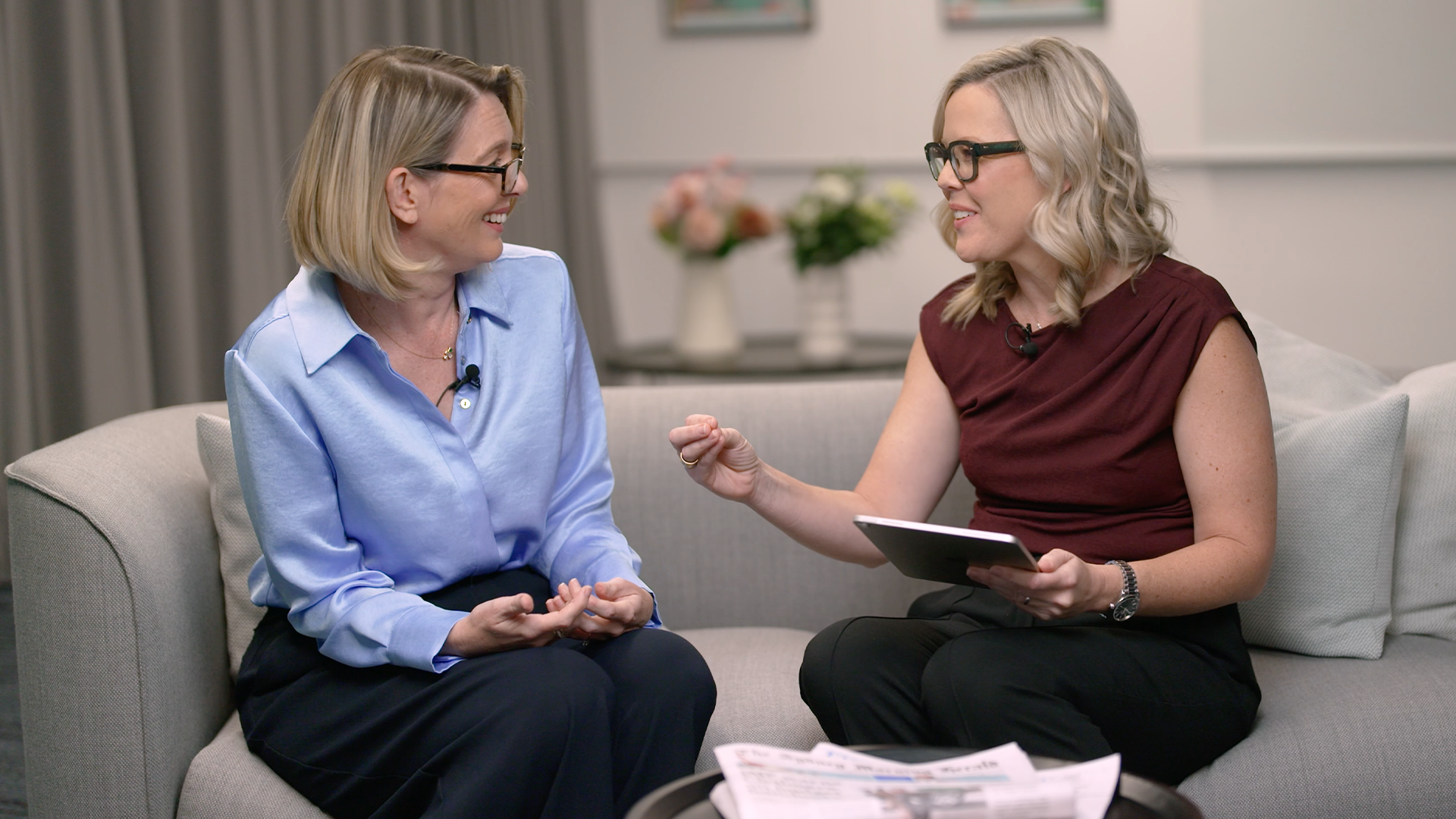
Pictured: Jordan Baker (left) and Ashleigh Thomas (right)
The digital landscape is currently facing a crisis of credibility. As misinformation rises and deepfakes become indistinguishable from reality, the "News Effect" has shifted. It is no longer just about information delivery; it is about authentication.
In the first episode of The News Effect series, Ashleigh Thomas sits down with Jordan Baker to discuss the evolving role of The Sydney Morning Herald as a source of verified media. Recent research from ThinkNewsBrands reveals that two out of five Australians now use news platforms specifically to fact-check what they see on social media.
For Baker, this isn't a new phenomenon, it’s a 195-year-old legacy.
The 195-year-old fact checker
While social media thrives on hot takes and immediate reactions, Baker explains that the Herald’s superpower is its rigorous editorial process.
“We pride ourselves on accuracy foremost,” Baker says. “What you read in the Herald has been checked multiple times. We’ve had subs look at it, people double-checking the maths and the quotes. People know they can’t quite trust what they see on social media, so they come to us to verify it.”
This long-standing history of integrity creates a halo effect for the environment. In a world where audiences don't believe their eyes, the newsroom acts as the ultimate filter, providing a safe harbor for both readers and advertisers.
AI: The tool, not the journalist
As AI becomes a common fixture in content generation, Baker is clear on its role within a premium newsroom: it is an efficiency tool, not a replacement for human intellect.
“AI will never replace the critical cognitive thinking skills of a human journalist,” Baker asserts. “AI is not going to be at a crime scene describing what it sees, or talking to victims in a court case to find out how they feel.”
Instead, the Herald utilises AI to handle laborious data tasks - like roaming through online documents or identifying subject matter experts - freeing up journalists to do the boots-on-the-ground work that builds trust. For brands, this ensures that the content they appear alongside is produced with human nuance and ethical oversight.
The power of the engaged mindset
A common misconception among some advertisers is that hard news is a restrictive environment. However, Baker highlights that the Herald’s audience engagement is holistic. A reader may arrive to verify a political story, but they stay to engage with lifestyle, travel, and culture.
“People might come to check what’s going on overseas with Trump, but they might stay to look at which restaurants are the hottest in town or where to go for a drink,” Baker says.
By avoiding news environments, brands risk missing out on a highly engaged, emotionally connected audience. “Our readers are reading about heartbreaking news, but they are also reading beautiful stories about relationships or sport,” Baker adds.
The bottom line for brands
The message for marketers is clear: proximity to truth matters. If a brand wants to be trusted, it must be present in environments where trust is the primary commodity.
As Baker concludes: “If you stay away from news, you are missing an element that is emotionally connecting with readers. You’d be missing a very big and very engaged audience.”
Watch the full interview with Jordan Baker to learn more about the Verification Layer and the News Effect.


Say hello
Let's talk about how Nine's premium publishing ecosystem can elevate your brand's impact.
READY TO CREATE? //
CONTACT //
Nine ad enquiries